How to Keep Emergency Medications Accessible but Secure
Learn how to store emergency medications like epinephrine and naloxone so they’re ready in a crisis but safe from kids, theft, or heat damage. Practical tips for homes, schools, and EMS.

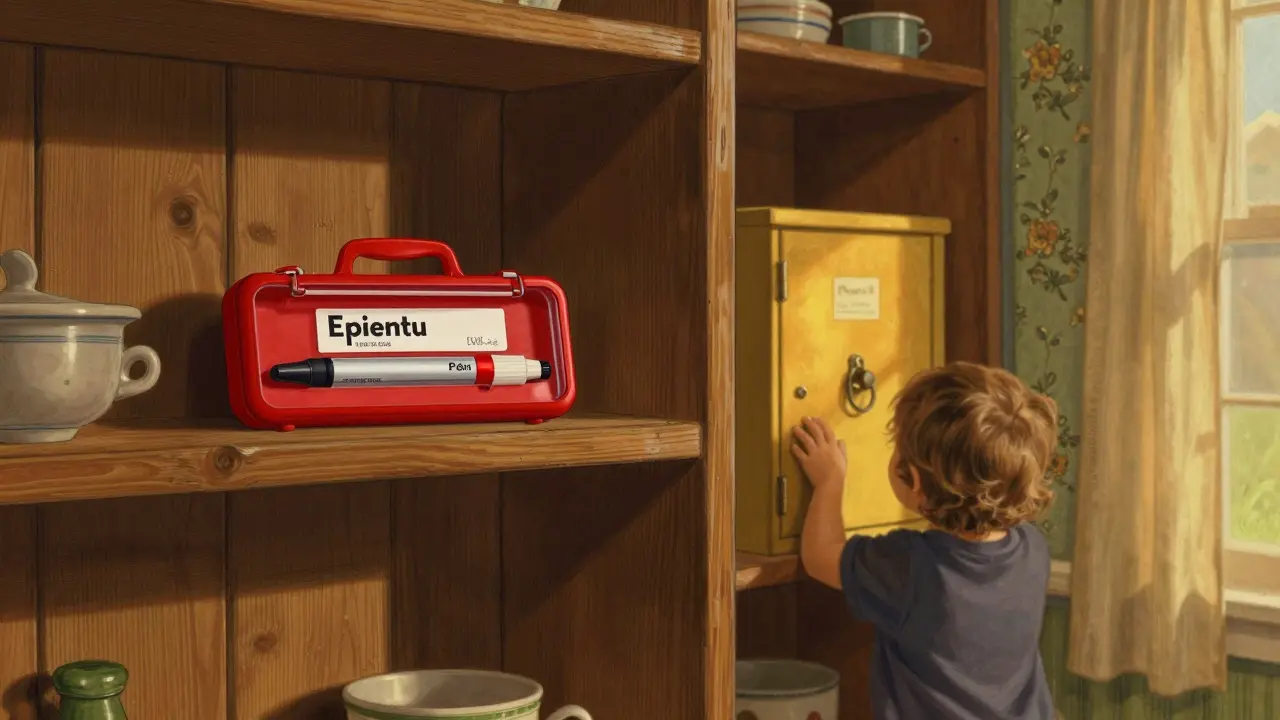
Learn how to store emergency medications like epinephrine and naloxone so they’re ready in a crisis but safe from kids, theft, or heat damage. Practical tips for homes, schools, and EMS.
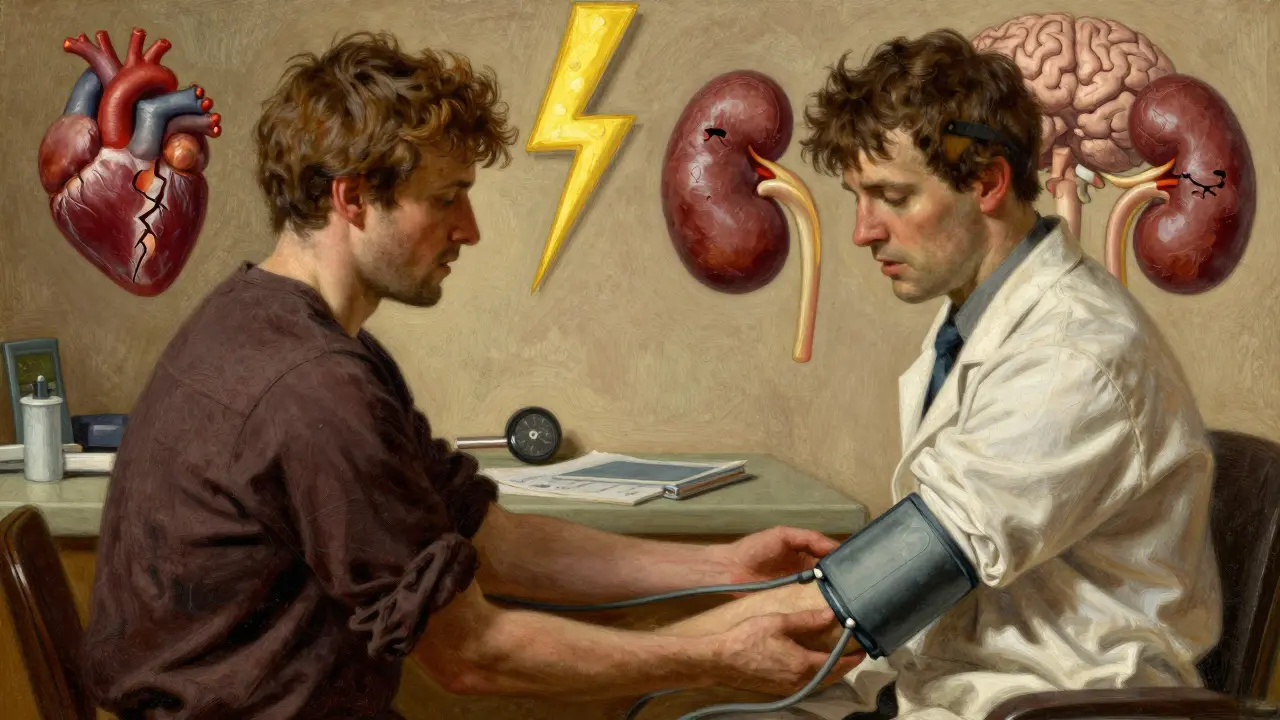
Explains types of blood pressure medications, side effects, and safety guidelines. Covers drug classes, interactions, and practical management advice for hypertension.
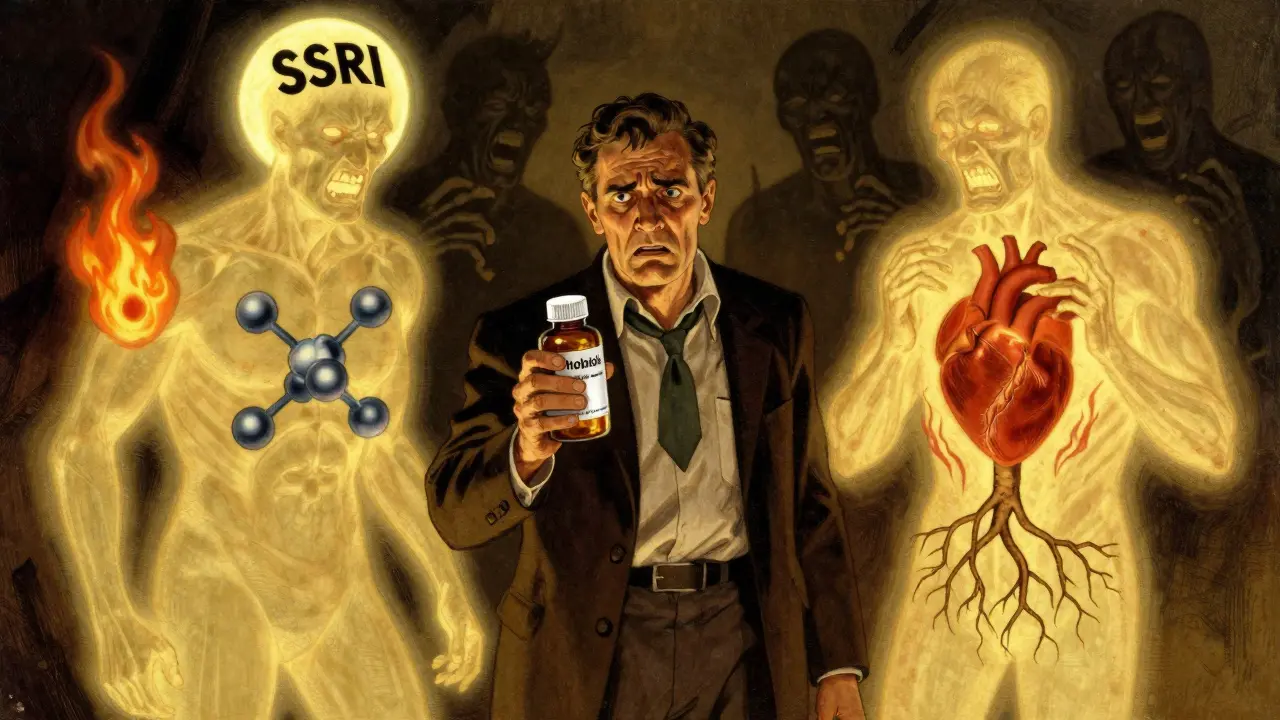
Rhodiola may help with stress and mild depression, but combining it with antidepressants can trigger serotonin syndrome-a life-threatening condition. Learn the risks, signs, and what to do instead.
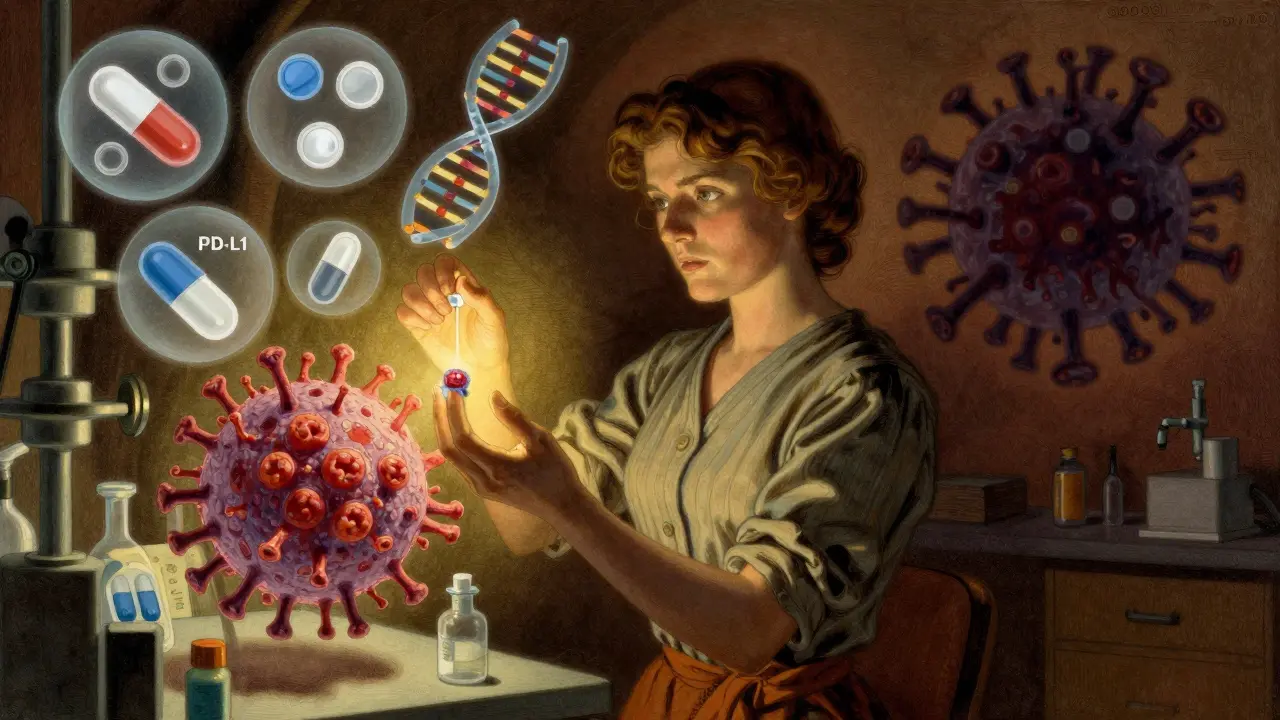
Triple-negative breast cancer (TNBC) is an aggressive subtype with limited treatment options. Learn about modern therapies like immunotherapy, PARP inhibitors, antibody-drug conjugates, and emerging personalized vaccines that are changing survival outcomes.
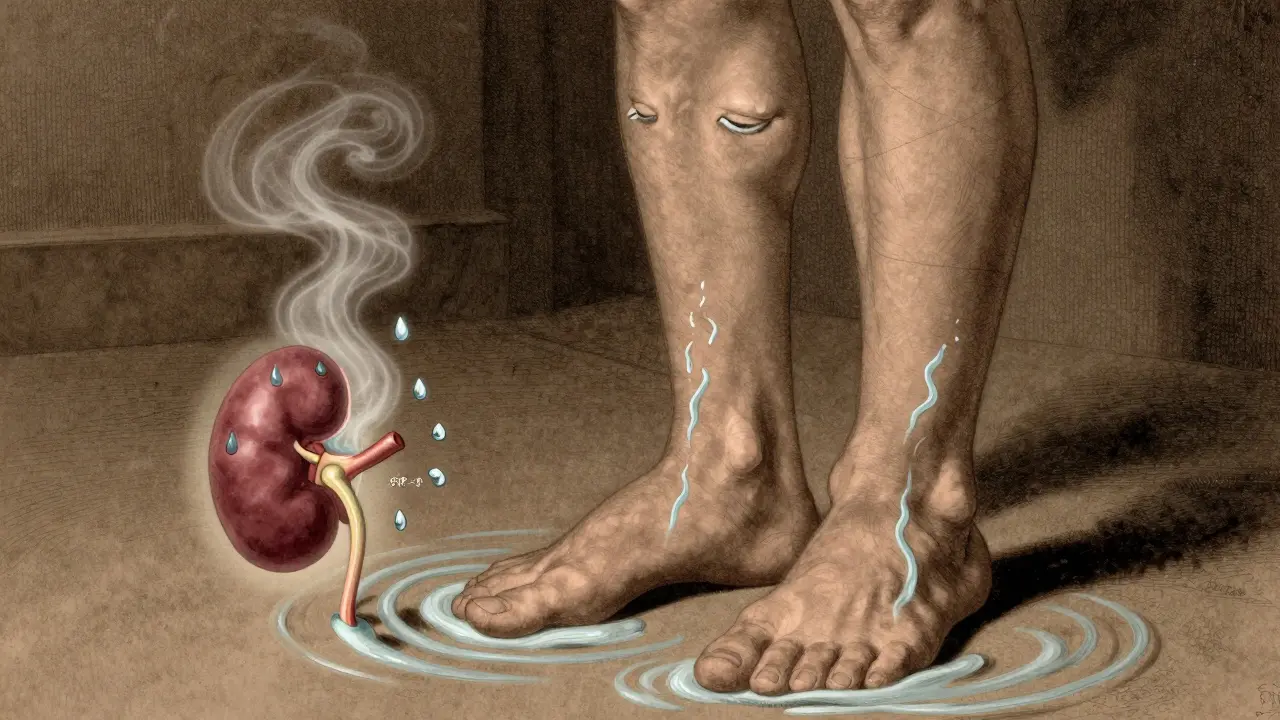
Thiazolidinediones like pioglitazone and rosiglitazone help control diabetes but can cause dangerous fluid retention, leading to heart failure in at-risk patients. Learn who should avoid them and what signs to watch for.
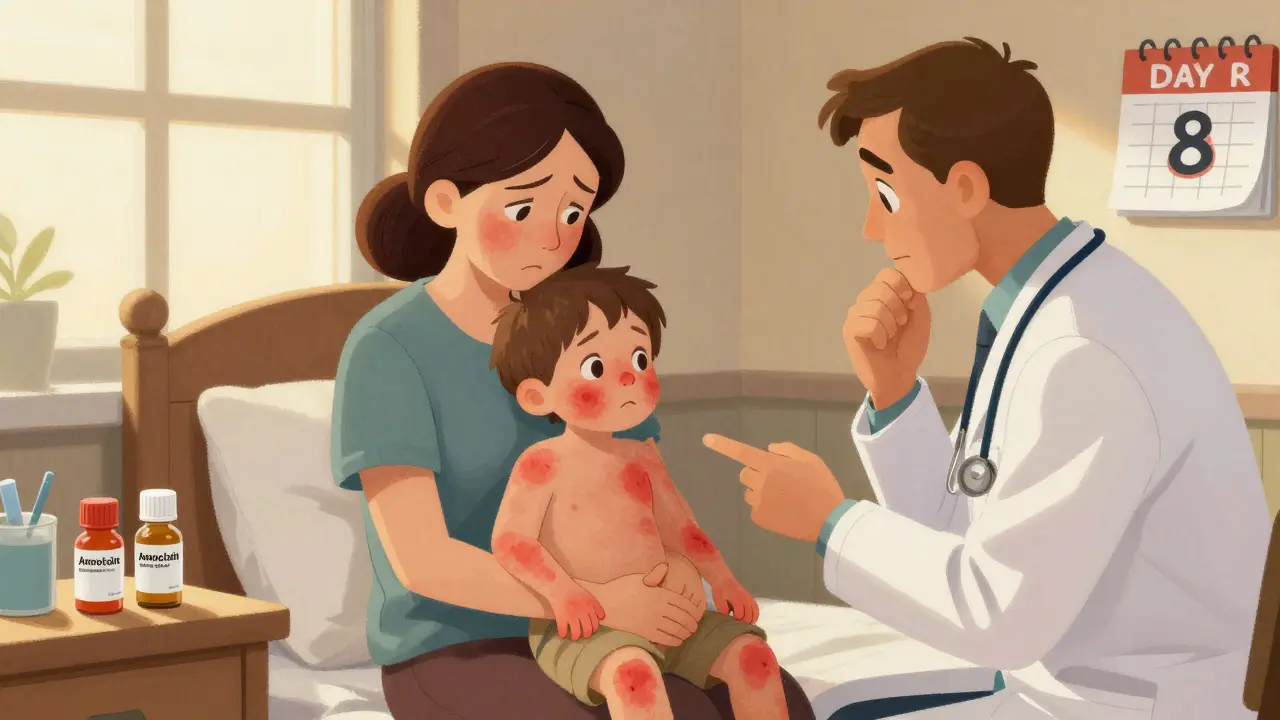
Serum sickness-like reactions are delayed immune responses to antibiotics like cefaclor and amoxicillin, often mistaken for allergies. Learn the symptoms, how it's different from true allergies, and why correct diagnosis prevents unnecessary antibiotic restrictions.
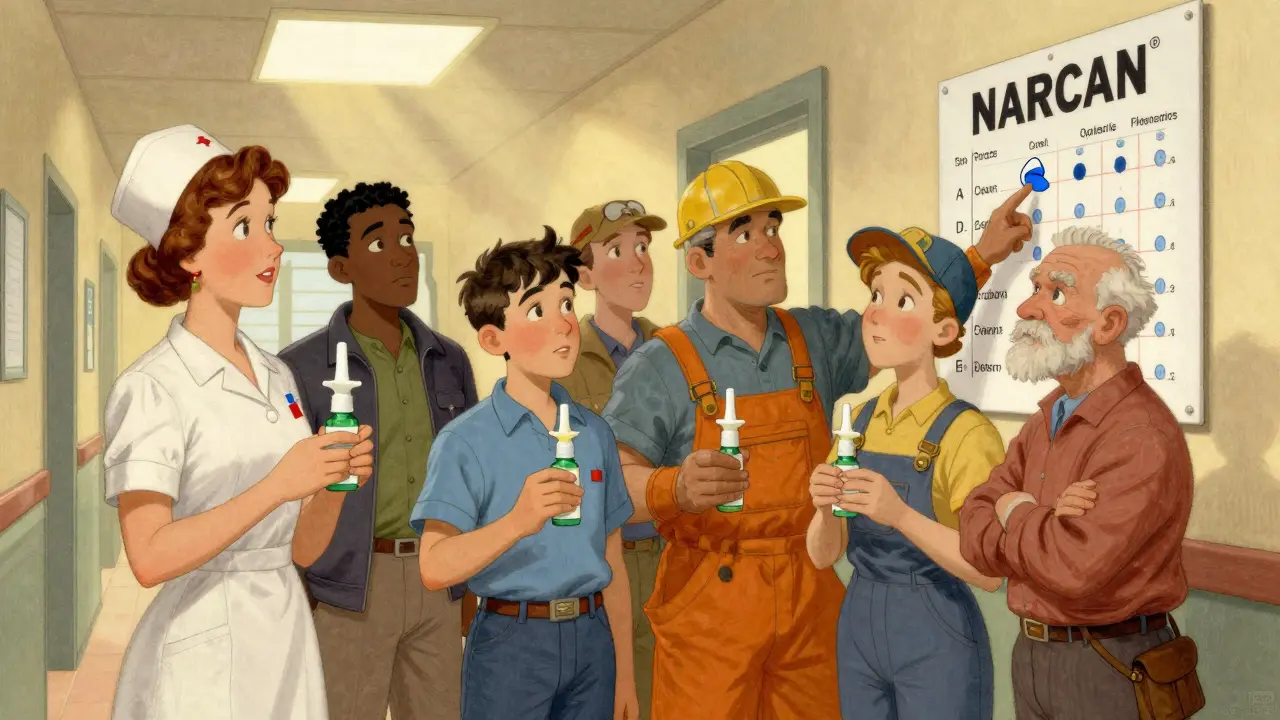
A naloxone readiness plan saves lives by ensuring quick access to the overdose-reversing drug for anyone on opioids. Learn how to store, use, and distribute naloxone safely - and why it’s essential for patients, families, and workplaces.
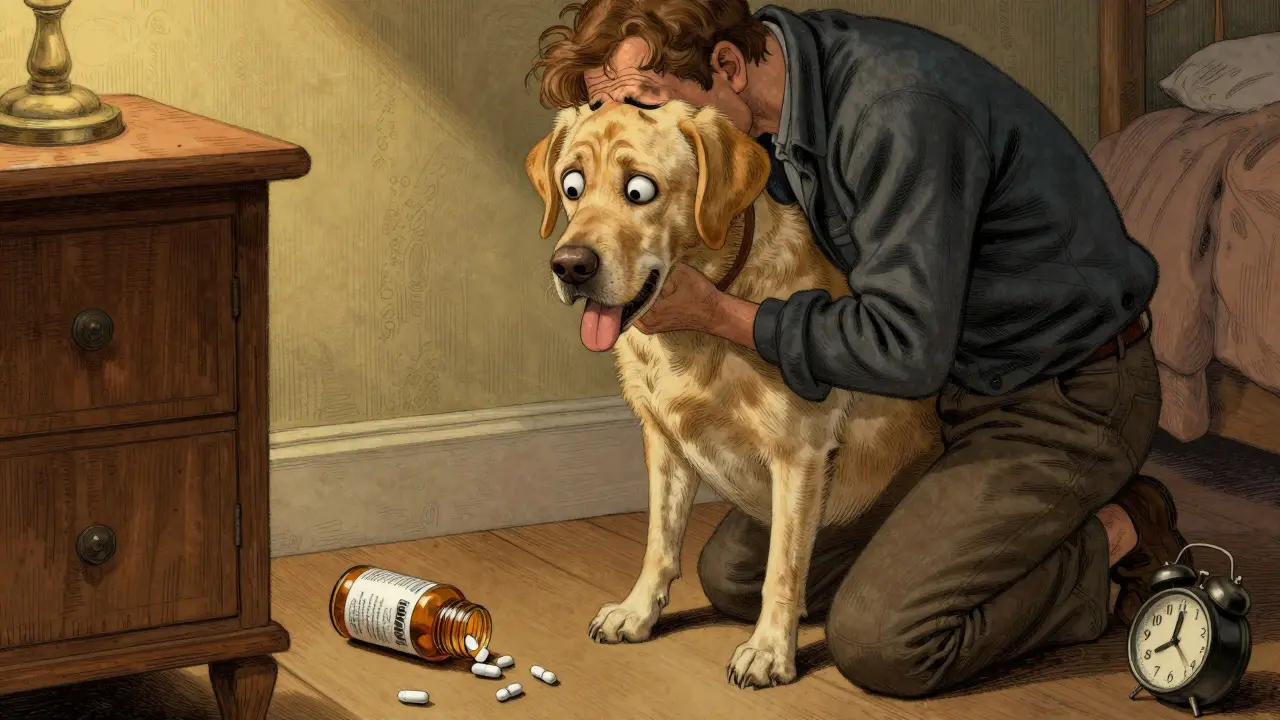
Human medications are one of the top causes of pet poisonings. Learn the key signs of overdose in dogs and cats from antidepressants, NSAIDs, Adderall, Tylenol, and more-and how to act fast to save their lives.
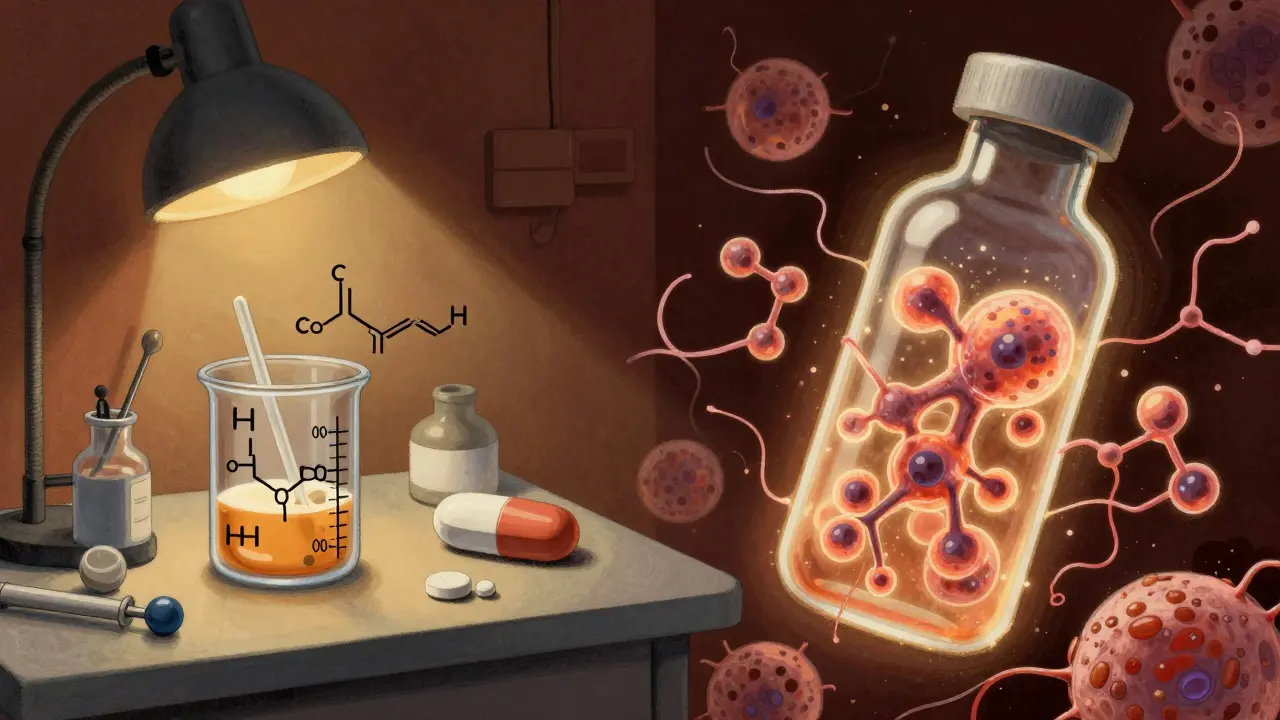
Biosimilars and generics both lower drug costs, but they're not the same. Biosimilars are complex biological copies with different approval rules, substitution limits, and safety considerations than simple chemical generics.
Statins do not cause ALS. Large studies show no link between these cholesterol drugs and amyotrophic lateral sclerosis. In fact, long-term use may lower ALS risk. Don't stop your statin based on unfounded fears.