
High blood pressure affects over a billion people worldwide. Left untreated, it can lead to heart attacks, strokes, and kidney damage. But managing hypertension isn’t just about taking medication-it’s about understanding your options. This article breaks down the main types of blood pressure medications, their common side effects, and key safety tips to keep you protected.
How Blood Pressure Medications Work
Blood pressure medications target different parts of your body’s pressure control system. Some reduce fluid volume, others relax blood vessels, and some slow heart rate. Each class works differently, which is why doctors choose specific medications based on your health needs. Understanding these mechanisms helps explain why certain drugs are better for you than others.
Common Drug Classes Explained
There are several major classes of blood pressure medications. Here’s a clear comparison of the most common ones:
| Drug Class | How It Works | Common Side Effects | Best For |
|---|---|---|---|
| Thiazide Diuretics | Remove excess salt and water through urine | Electrolyte imbalances, frequent urination | First-line treatment for most patients |
| Beta-Blockers | Slow heart rate and reduce force of contraction | Fatigue, cold hands/feet, sleep issues | Patients with heart disease history |
| ACE Inhibitors | Block angiotensin II formation | Dry cough (10-20% of users), high potassium | Heart failure, diabetes, kidney disease |
| ARBs | Block angiotensin II receptors directly | High potassium, rare allergic reactions | Those who can’t tolerate ACE inhibitor cough |
| Calcium Channel Blockers | Relax blood vessel muscles | Dizziness, leg swelling, flushing | Older adults, certain heart conditions |
Side Effects You Should Know
Side effects vary by medication type. Thiazide diuretics like hydrochlorothiazide often cause frequent urination and low potassium levels. Beta-blockers such as metoprolol may lead to tiredness or cold extremities. ACE inhibitors like lisinopril cause a dry cough in about 1 in 5 users-a key reason doctors switch to ARBs like losartan for those patients. Calcium channel blockers such as amlodipine commonly cause ankle swelling or dizziness. These effects are manageable with dose adjustments or switching classes-never ignore them.
Safety Considerations
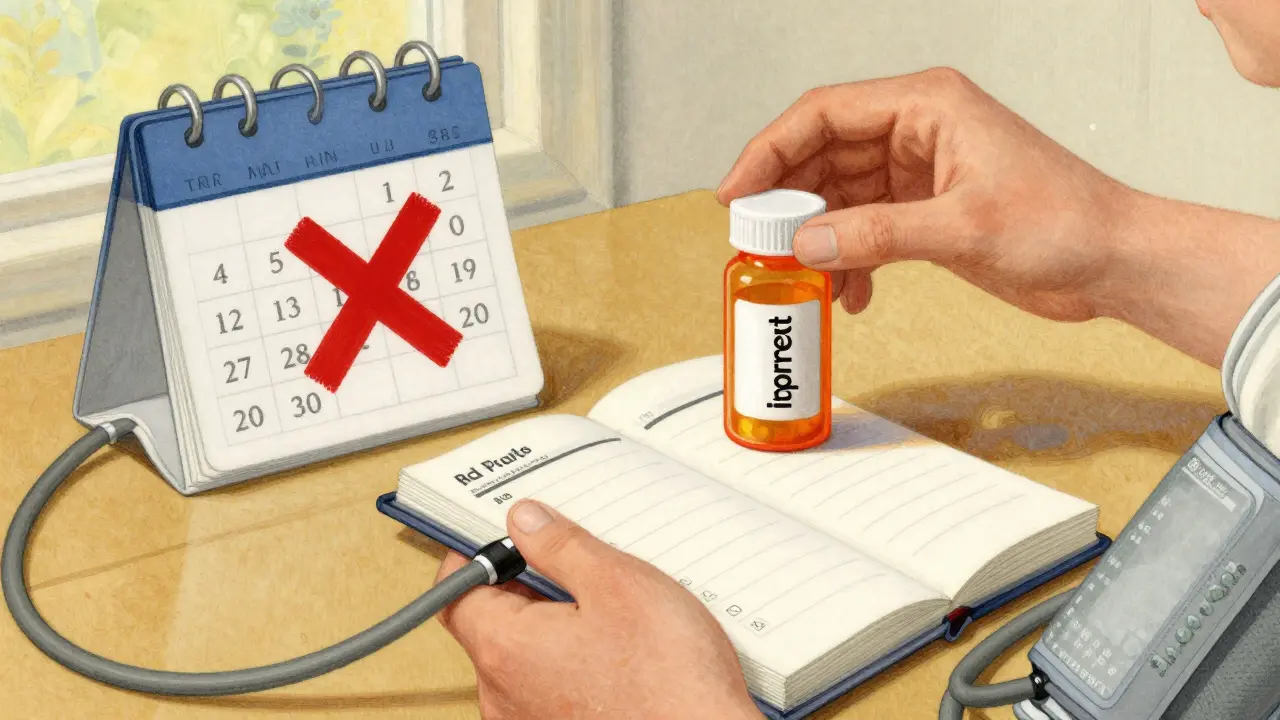
Medication safety involves more than side effects. Drug interactions matter greatly-for example, combining ACE inhibitors with NSAIDs (like ibuprofen) can cause kidney damage. Pregnant individuals must avoid ACE inhibitors, ARBs, and renin inhibitors due to fetal risks; methyldopa or labetalol are safer alternatives. Older adults often need lower doses because they’re more sensitive to blood pressure drops. People with kidney disease require close monitoring of potassium levels when taking RAAS inhibitors. Always tell your doctor about all medications and supplements you take-even over-the-counter ones.
Staying Safe with Your Medication
Adherence is critical-about half of patients stop taking blood pressure meds within a year due to side effects or feeling fine. But hypertension is often symptomless, so stopping can be dangerous. Here’s how to stay on track:
- Set daily phone reminders for taking medication
- Keep a log of blood pressure readings to share with your doctor
- Ask about generic alternatives to reduce costs
- Report side effects immediately-your doctor may adjust the dose or switch medications
- Never stop taking meds without consulting your healthcare provider
Can I stop taking blood pressure medication if my pressure normalizes?
No, stopping medication without medical advice can cause your blood pressure to spike again, increasing the risk of serious complications. Hypertension often has no symptoms, so normal readings don’t mean the condition is cured. Always consult your doctor before making changes.
What’s the most common side effect of ACE inhibitors?
A persistent dry cough affects 10-20% of users. This happens because ACE inhibitors build up a substance called bradykinin in the lungs. Switching to an ARB (like losartan) usually resolves this issue without losing blood pressure control.
Are there blood pressure medications safe during pregnancy?
Yes. Methyldopa and labetalol are the safest options for pregnant individuals. ACE inhibitors, ARBs, and renin inhibitors are strictly avoided due to fetal risks. Always discuss pregnancy plans with your doctor-they may adjust your medications before conception.
Why do some people need two or more medications?
About 70% of patients require multiple drugs to control blood pressure. This happens because hypertension often involves multiple body systems. Combining medications from different classes (like a diuretic plus an ACE inhibitor) works better than a single drug alone and often reduces side effects.
Can lifestyle changes replace blood pressure medication?
For mild hypertension, lifestyle changes like weight loss, reduced salt intake, and exercise may lower blood pressure enough to avoid medication. However, most people with moderate to severe hypertension still need medication even with lifestyle changes. Never stop medication without talking to your doctor.








Thorben Westerhuys
Beta-blockers made me feel like a zombie! Constant fatigue, cold hands-like I'm living in a freezer! Switched to amlodipine, and it's been a game-changer! Don't let them push you into meds that make you miserable!!
Nancy Maneely
Oh my god, the side effects of these meds are insane! I had a dry cough so bad I thought I was dying! And the doctor just said 'tough it out'-like they don't care! It's ridiculous how they push these drugs without warning us! I switched to ARBs and it was life-saving, but why didn't they tell us about this sooner?!?!
Laissa Peixoto
Hypertension management is a complex interplay of physiology and lifestyle. Each medication class-thiazide diuretics, beta-blockers, ACE inhibitors, ARBs, calcium channel blockers-targets a different part of the body's pressure regulation system. For instance, diuretics reduce blood volume by promoting urine production, while beta-blockers decrease heart rate and contractility. ACE inhibitors block the conversion of angiotensin I to II, reducing vasoconstriction, and ARBs directly block the receptors. Calcium channel blockers relax arterial smooth muscle. Understanding these mechanisms allows doctors to personalize treatment. For example, patients with heart failure might benefit from ACE inhibitors or ARBs, while those with certain arrhythmias may need beta-blockers. It's also important to consider comorbidities like diabetes or kidney disease. For instance, ACE inhibitors are preferred in diabetics due to renal protection. However, side effects like dry cough with ACE inhibitors require switching to ARBs. Lifestyle modifications such as diet and exercise complement medication. Regular monitoring of blood pressure and side effects is essential. The key is a collaborative approach between patient and provider to find the optimal regimen. This personalized strategy is critical for effective long-term management of hypertension.
Lisa Scott
Big Pharma hides the real risks.
Lana Younis
Thiazide diuretics are first-line treatment, but they can mess with your electrolytes. I've seen patients with low potassium, so it's important to moniter that. Also, for older adults, calcium channel blockers like amlodipine work well, but watch for ankle swelling. Always check with your doc before making changes. I know it's overwhelming, but you got this!
Phoebe Norman
RAAS inhibitors can cause hyperkalemia in renal patients. Monitoring potassium levels is critical. ACE inhibitors and ARBs both affect this pathway. It's important to consider comorbidities.
Dr. Sara Harowitz
Americans need to stop being lazy about their blood pressure! Medications work-just take them! ACE inhibitors are the gold standard, but some people whine about the cough-tough luck! If you can't handle it, switch to ARBs, but don't complain! This is basic healthcare-follow the rules!!!!
Albert Lua
In my community, we often use herbal remedies for blood pressure, but it's crucial to consult doctors. Many traditional remedies interact with meds. For example, hibiscus tea can lower BP but may interfere with diuretics. Always talk to your healthcare provider before trying anything new. We need to bridge traditional and modern medicine!
Kieran Griffiths
Managing hypertension is a team effort. Your doctor, pharmacist, and you all play a role. If you're experiencing side effects, don't suffer in silence-there are alternatives. For example, if ACE inhibitors cause a cough, ARBs are a great substitute. Stay consistent with your meds, and keep your doctor in the loop. You've got this!
Pamela Power
Most patients don't even know how their meds work. It's basic pharmacology-ACE inhibitors block angiotensin conversion. If you can't handle the dry cough, switch to ARBs. But you probably don't have the brainpower to understand this. Just take what the doctor says.