Category: Medications - Page 2

Muscle Aches from Statins: What Really Causes It and What to Do Next

Muscle Aches from Statins: What Really Causes It and What to Do Next

Muscle aches from statins are common but often misunderstood. Learn what really causes them, how to tell if they're serious, and what to do next without risking your heart health.

Post-Market Surveillance: How the FDA Monitors Generic Drugs After Approval

Post-Market Surveillance: How the FDA Monitors Generic Drugs After Approval

The FDA doesn't stop monitoring generic drugs after approval. Using FAERS, Sentinel, MedWatch, and inspections, it tracks safety in real time. Learn how the system catches hidden risks and protects millions of patients.

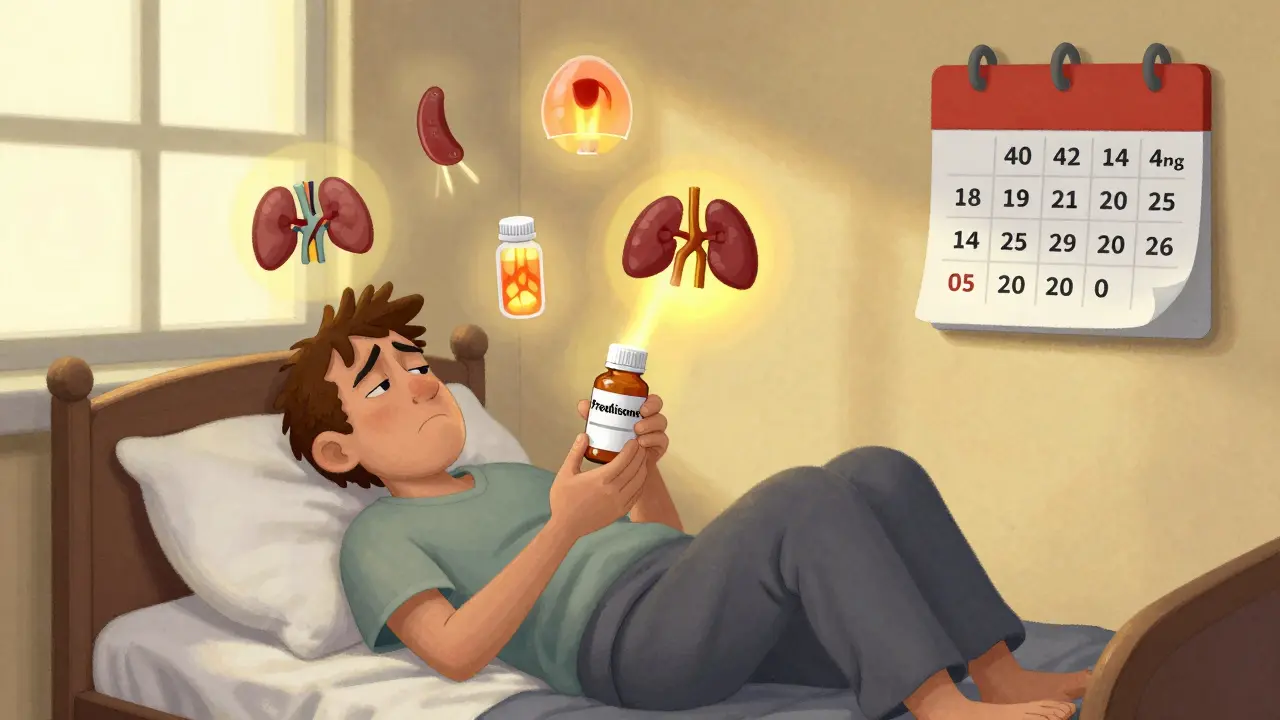
Corticosteroid Taper: How to Reduce Withdrawal Symptoms Safely

Corticosteroid Taper: How to Reduce Withdrawal Symptoms Safely

Learn how to safely taper off corticosteroids like prednisone to avoid withdrawal symptoms. Discover evidence-based strategies, recovery timelines, and what really works-backed by clinical data and patient experiences.

Digital Therapeutics and Medication Interactions: What You Need to Know in 2025

Digital Therapeutics and Medication Interactions: What You Need to Know in 2025

Digital therapeutics are FDA-cleared software treatments that improve medication adherence and outcomes. Learn how they interact with drugs, who benefits most, and why doctors and patients need to understand these new digital therapies in 2025.

How to Check REMS Requirements Before Starting a Medication

How to Check REMS Requirements Before Starting a Medication

Learn how to check REMS requirements before starting a new medication to avoid delays, ensure safety, and comply with FDA regulations. Essential steps for patients and providers.

Anticholinergic Burden in Older Adults: How Common Medications Affect Memory and Thinking

Anticholinergic Burden in Older Adults: How Common Medications Affect Memory and Thinking

Anticholinergic burden from common medications like Benadryl and oxybutynin can accelerate memory loss and increase dementia risk in older adults. Learn which drugs to avoid and how to safely reduce cognitive harm.

Cmax and AUC in Bioequivalence: What Peak Concentration and Total Exposure Really Mean

Cmax and AUC in Bioequivalence: What Peak Concentration and Total Exposure Really Mean

Cmax and AUC are the two key measurements used to prove generic drugs work the same as brand-name versions. Cmax shows peak concentration, while AUC measures total exposure. Both must fall within 80%-125% to be approved.

ECG Monitoring During Macrolide Therapy: Who Really Needs It?

ECG Monitoring During Macrolide Therapy: Who Really Needs It?

Macrolide antibiotics like azithromycin can prolong the QT interval, raising the risk of dangerous heart rhythms. Learn who truly needs an ECG before taking them-and who doesn't.

Theophylline Levels: Why NTI Monitoring Is Critical for Safe and Effective Treatment

Theophylline Levels: Why NTI Monitoring Is Critical for Safe and Effective Treatment

Theophylline is a powerful but dangerous asthma and COPD medication with a narrow therapeutic window. Without regular blood testing, even small changes in dose or other medications can lead to life-threatening toxicity.

Timeline for Medication Side Effects: When Drug Reactions Typically Appear

Timeline for Medication Side Effects: When Drug Reactions Typically Appear

Learn when different medication side effects typically appear - from immediate reactions within minutes to delayed reactions weeks later. Understand what to watch for and when to seek help.