
When your prescription runs out and you’re faced with a huge price jump, you might wonder: is there a cheaper version that’s actually the same as what you’ve been taking? The answer for many drugs is yes - and it’s called an authorized generic. Unlike regular generics, which can have different fillers or coatings, authorized generics are made by the same company that made the brand-name drug, using the exact same formula. No guesswork. No changes in how the medicine works. Just a lower price tag.
What Exactly Is an Authorized Generic?
An authorized generic is not a copy. It’s the real thing - just without the brand name on the bottle. The FDA defines it clearly: it’s the exact same drug, made in the same factory, with the same active and inactive ingredients, under the same approval as the brand-name version. The only difference? The label says the generic name, not the brand name.
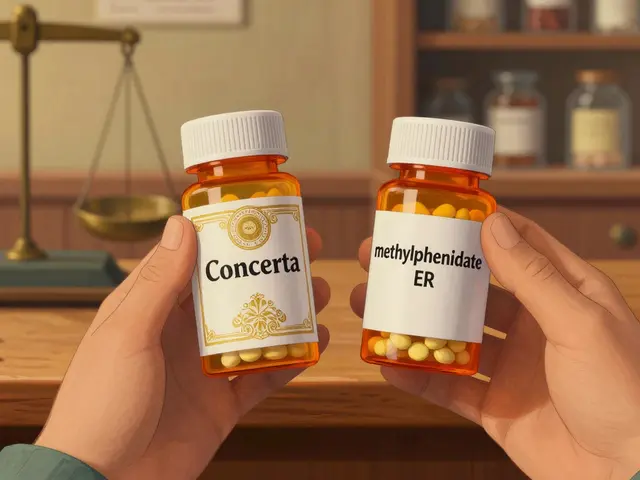
For example, if you’ve been taking Concerta for ADHD, you might get a pill that looks different - maybe a different color or shape - but it’s still made by Janssen (the original maker) using the same recipe. The FDA doesn’t require extra testing because it’s not a new product. It’s the same one, just sold under a different name.
This matters because traditional generics, while safe and effective, can sometimes have different inactive ingredients like dyes, fillers, or coatings. For most people, that’s fine. But for those on narrow therapeutic index drugs - like levothyroxine for thyroid issues or warfarin for blood thinning - even tiny changes in inactive ingredients can affect how the drug is absorbed. That’s where authorized generics shine. If your body reacted poorly to a regular generic, switching to the authorized version often fixes it.
Why Don’t All Drugs Have Authorized Generics?
Only about 10% of brand-name drugs have an authorized generic version. That’s not because manufacturers can’t make them - it’s because they choose not to. Launching an authorized generic is a business decision. Many drug companies wait until a patent expires and traditional generics enter the market. Then, they release their own version at a lower price to capture part of that market before competitors can take full control.
It’s a smart move for the company. Instead of losing all revenue to independent generic makers, they keep a slice of the pie. But it also means patients don’t always get access to the lower-cost version right away. In fact, about 70% of authorized generics launch during or after the 180-day exclusivity period granted to the first generic company to file for approval. That’s often when prices start to drop - and the brand company wants to stay in the game.
There’s a downside too. Studies show that when an authorized generic enters the market, overall price drops for that drug slow down by about 15% in the first year. That’s because instead of multiple generic makers competing on price, you now have the brand company competing with itself. Some critics call this market manipulation. Others say it gives patients a reliable alternative.
Which Drugs Have Authorized Generics?
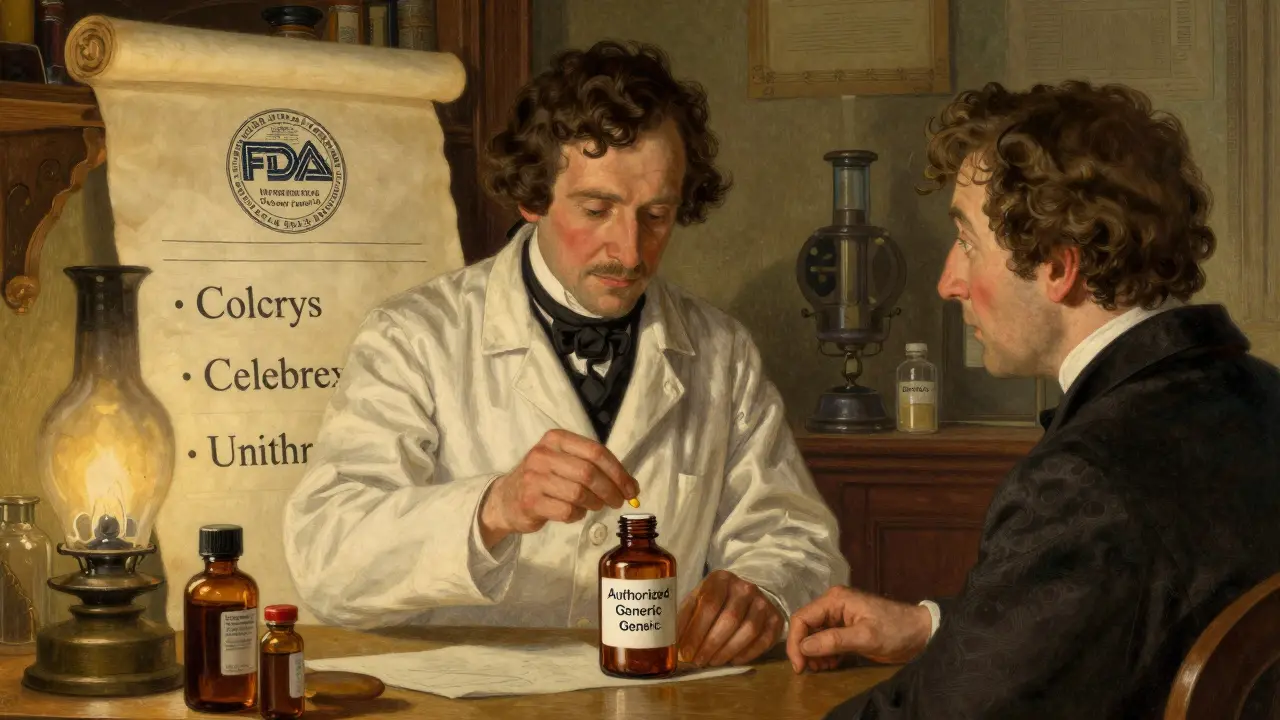
The FDA keeps an updated list of authorized generics, and as of October 2025, it includes over 200 active products. Here are some of the most common ones you might encounter:
- Colcrys (colchicine) - Used for gout. The authorized generic is made by Prasco Laboratories and is chemically identical. Many patients report fewer stomach issues switching to this version.
- Concerta (methylphenidate ER) - For ADHD. The authorized generic, made by Watson/Actavis, has the same extended-release mechanism. No more surprises in how long it lasts.
- Celebrex (celecoxib) - A COX-2 inhibitor for pain and inflammation. Greenstone Pharmaceuticals makes the authorized version, which is identical in both strength and release profile.
- Unithroid (levothyroxine) - A thyroid hormone replacement. Because even small changes in absorption can throw off thyroid levels, many endocrinologists recommend the authorized generic over traditional ones.
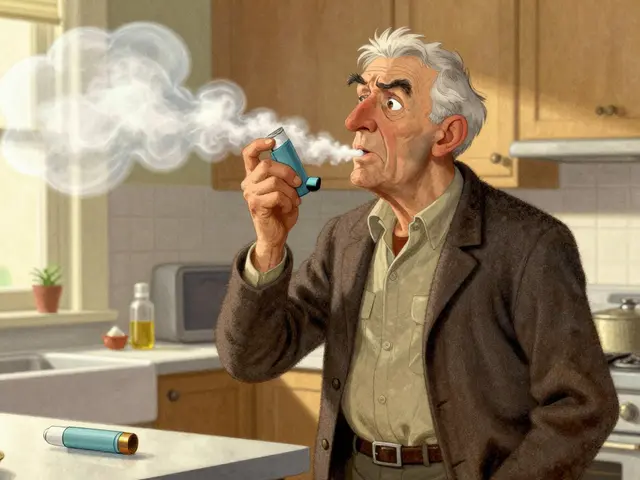
- ProAir HFA (albuterol sulfate) - An inhaler for asthma. Teva’s authorized generic launched in 2019 and is the exact same device, same dose, same propellant.
- Jardiance (empagliflozin) - A newer diabetes medication. In 2025, Boehringer Ingelheim launched an authorized generic, making this one of the latest additions to the list.
These aren’t random picks. They’re drugs where consistency matters - either because of how they’re absorbed, how they’re delivered (like inhalers), or because of how sensitive the body is to small changes. Pharmacists often recommend authorized generics for these cases.
How to Find Out If Your Drug Has One
Don’t assume your prescription has an authorized generic. You need to check. The best place is the FDA’s official Listing of Authorized Generic Drugs, updated every few months. You can search by brand name or generic name. If it’s there, your pharmacy can order it.
Another way? Ask your pharmacist. They can check your drug’s manufacturer code in their system. Authorized generics often show up with a note like “AG” or “Authorized Generic” next to the generic name. If your pharmacy doesn’t stock it, they can usually order it - but you might have to wait a day or two.
Some insurance plans automatically substitute traditional generics. If you want the authorized version, you may need to ask for it by name or request a brand substitution override. It’s worth it if you’ve had issues with other generics before.
Why This Matters for Patients
Imagine you’ve been on levothyroxine for years. Your doctor finally got your dose just right. Then your insurance switches you to a cheaper generic. Suddenly, you’re tired again. Your heart races. Your weight creeps up. You go back to the doctor - and they say your thyroid levels are off. That’s not your fault. It’s the inactive ingredients in the generic.
Now imagine switching to the authorized generic of Unithroid. Same pill. Same absorption. Same results. No more guessing. That’s the power of this option.
It’s not just about thyroid drugs. People with epilepsy, heart conditions, or mental health disorders often report better stability when they switch to authorized generics. Clinical studies back this up. The American Pharmacists Association even recommends counseling patients: “This pill looks different, but the medicine inside is exactly the same as your brand name. It’s safe to switch.”
What You Should Know Before Switching
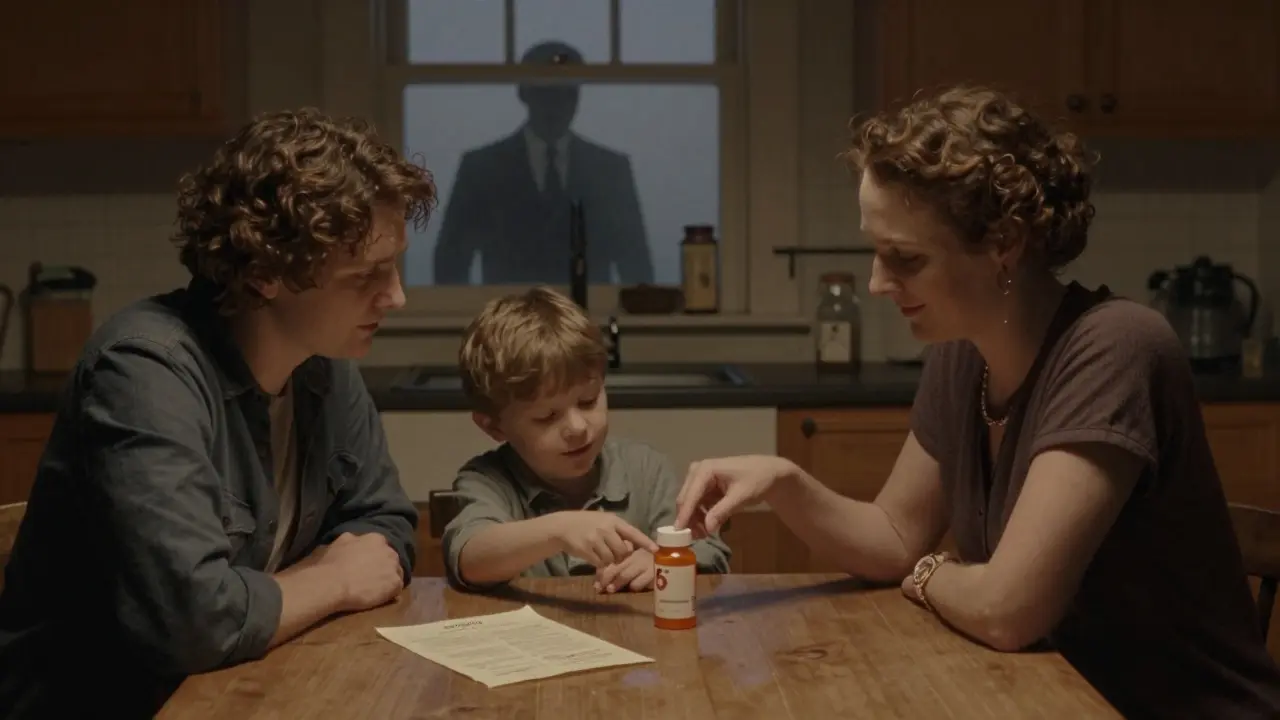
Even though authorized generics are identical, they often look different. The color, shape, or markings might change. That can confuse patients - and even some pharmacists. Always double-check the label. If you’re unsure, ask your pharmacist to confirm it’s the authorized version.
Also, don’t assume all pharmacies carry them. Smaller or rural pharmacies might not stock them due to lower demand. If you need one, call ahead or ask your doctor to write a prescription that specifies “authorized generic” or “no substitutions.”
And remember: just because a drug has an authorized generic doesn’t mean it’s always cheaper than other generics. Sometimes, the price difference is small. But if you’ve had side effects or inconsistent results with traditional generics, the slight extra cost is worth it.
The Bottom Line
Authorized generics aren’t magic. They’re not new drugs. They’re just the original brand-name medicine, sold under a different label. But for many people, that’s exactly what they need. If you’re on a drug with a narrow therapeutic window, or if you’ve had bad experiences with regular generics, ask your doctor or pharmacist: “Is there an authorized generic for this?”
The FDA says it’s the same. Your body will tell you if it works better. And in a system full of trade-offs, that’s rare clarity.
Are authorized generics the same as brand-name drugs?
Yes. Authorized generics are made by the same company that makes the brand-name drug, using the exact same ingredients, in the same facility, and under the same FDA approval. The only difference is the label - no brand name, just the generic name.
Why are authorized generics cheaper than brand-name drugs?
They’re cheaper because they don’t carry the marketing, advertising, or research costs tied to the brand name. The manufacturer doesn’t need to recoup billions spent on developing the drug - they’re just selling the same product under a different label. This allows them to price it closer to generic levels while still maintaining quality.
Can I get an authorized generic through my insurance?
Yes, but you might need to ask. Some insurance plans automatically substitute regular generics. To get the authorized version, you or your pharmacist may need to request a brand substitution override or specify the authorized generic by name. Always check your plan’s formulary or call customer service.
Do authorized generics have side effects?
They can, but they’re no more likely than the brand-name version - because they’re the same drug. If you had side effects from the brand, you might have them with the authorized generic too. But if you had side effects from a regular generic due to different inactive ingredients, switching to the authorized version often eliminates those issues.
How do I know if my pharmacy is giving me the authorized generic?
Ask for the manufacturer name on the bottle. Authorized generics are often made by the original brand company or a partner they’ve licensed. You can also check the FDA’s official list or ask your pharmacist to confirm the manufacturer code in their system. If it matches the brand maker, you’ve got the authorized version.




Cara Hritz
i just got my concerta switched to the generic and my brain feels like it’s running on dial-up now
Ajay Brahmandam
this is gold. i’ve been on levothyroxine for 12 years and switched to the authorized generic after my heart started racing. no more weird side effects. pharmacies don’t always stock it but they can order it. just ask.
Art Van Gelder
you know what’s wild? the brand-name companies don’t make these because they’re nice-they do it to steal market share from the real generics. it’s capitalism with a side of pharmaceutical sleight of hand. they let the first generic in, then drop their own version at half the price and suddenly everyone’s buying ‘their’ generic instead of the competitor’s. clever? yes. ethical? debatable. but for patients? it’s a win if you can get it. the FDA’s list is your new bible.
Jim Brown
It is a curious paradox of modern pharmacology that the most authentic iteration of a therapeutic agent-the one produced by the original architect of its molecular architecture-is the one most readily dismissed as ‘generic.’ The label, not the substance, becomes the locus of perceived value. We have commodified identity in pill form, and the patient, in their vulnerability, becomes the unwitting arbiter of corporate strategy. The authorized generic, then, is not merely a cheaper alternative-it is a quiet rebellion against the myth of branding as efficacy.
Aliyu Sani
yo i been on jardiance and the ag version is literally the same but 60% cheaper. my man i was skeptical at first but my A1C didn’t flinch. if u got diabetes and your insurance keeps switching u to weird generics that make u dizzy? go for the authorized one. it’s the real deal. no cap.
Johnnie R. Bailey
For those in rural areas: don’t assume your local pharmacy carries authorized generics. I live in West Virginia and had to call 5 pharmacies before one could order it. My pharmacist had never heard the term ‘AG’-but when I showed her the FDA list and the manufacturer code (same as the brand), she got it. Now I have a standing order. Pro tip: ask for the manufacturer, not the brand name. If it’s Janssen or Teva or Greenstone? You’re golden. If it’s Mylan or Sandoz? Probably not the AG.
Nader Bsyouni
Authorized generics? More like corporate bait. The FDA doesn’t regulate ‘authenticity’-they regulate paperwork. The brand company still owns the patent, the factory, the distribution. They’re just slapping a new label on the same bottle to pretend they’re helping you. It’s not transparency-it’s rebranding with a side of guilt. And if you’re dumb enough to think this is ‘fair pricing’ you’re part of the problem.
Jeremy Hendriks
Anyone else notice how the authorized generics always show up right after the 180-day exclusivity window? That’s not coincidence. That’s a corporate playbook. The first generic comes in, prices drop, then the brand drops their own version at a discount to crush the competition. It’s not patient-friendly-it’s profit-optimized. And we’re supposed to cheer because we get a slightly cheaper version of the same thing? Wake up.
jenny guachamboza
ok but what if the authorized generic is made in china??? 😱 i read somewhere that janssen outsources all their ag production now and the fillers are different!!! also my cousin’s neighbor’s dog got sick from a generic and now i think all meds are government mind control 🤯💊🇺🇸
Jamison Kissh
Let’s not forget the real hero here: the pharmacist. They’re the ones who catch the manufacturer code, cross-reference the FDA list, and quietly swap out the bottle without you even asking. I’ve had mine switched twice without me saying a word. I just noticed the pill looked different and asked. Turned out my pharmacist had been giving me the authorized generic all along. No fanfare. No markup. Just competence. Maybe the system isn’t broken-maybe we just need to trust the people on the front lines more than the marketing departments.