
Understanding the Complexity
When someone takes too much medication, it's often assumed they swallowed just one pill. In reality, Multiple Drug Overdose is the ingestion of potentially toxic amounts of two or more pharmacological substances either intentionally or accidentally. Also known as Complex Medication Toxicity, this scenario creates a chaotic environment for emergency responders. According to the World Health Organization, opioids alone caused approximately 120,000 deaths globally in 2019. While single-substance overdoses are serious, mixing drugs multiplies the danger significantly.
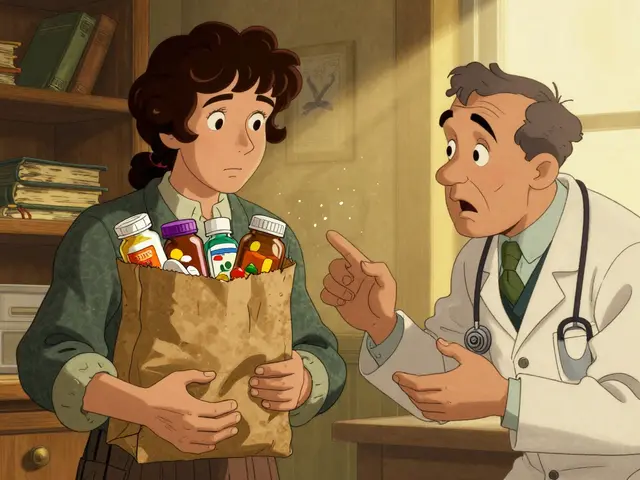
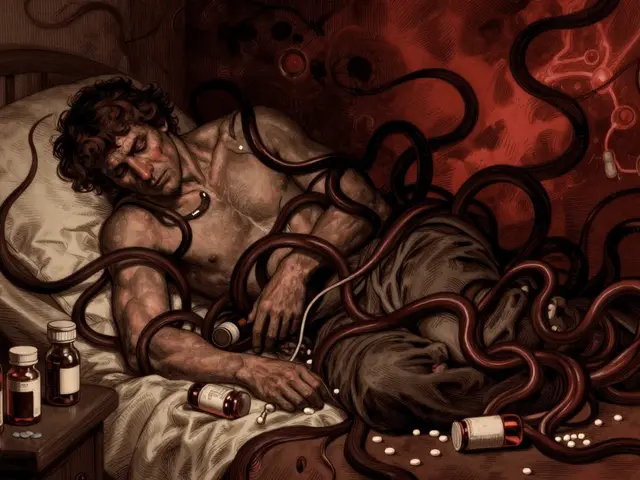
Consider a patient who has taken prescription painkillers mixed with other sedatives. This isn't just adding up the numbers; different chemicals interact in ways that can shut down the liver while simultaneously stopping breathing. In the United States and Canada, Acetaminophen remains a primary concern. Studies documented in JAMA Network Open from 2023 show this common pain reliever accounts for over 56,000 emergency department visits annually due to acute liver failure. When combined with opioids found in medications like Vicodin or Percocet, the body faces a double threat: respiratory depression from the opioid and silent organ damage from the acetaminophen.
The First Few Minutes Matter
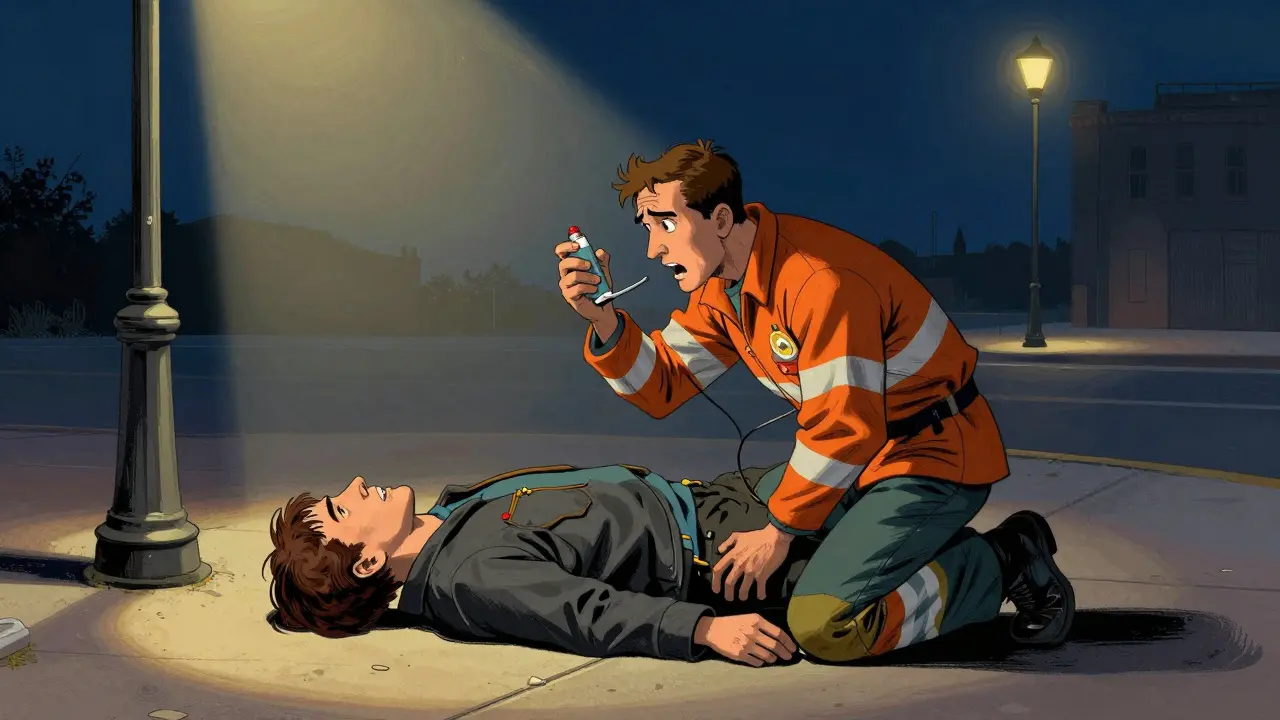
Time is the most critical factor in surviving an overdose. For bystanders or first responders, knowing what to do immediately can mean the difference between life and death. The Substance Abuse and Mental Health Services Administration (SAMHSA) outlines a clear process called the Five Essential Steps for First Responders, updated in their 2023 edition. These steps are designed to be simple enough for laypeople but strict enough to save lives.
- Assess the situation: Is the person breathing? Are they responsive?
- Call emergency services: Get professionals on the way immediately.
- Administer naloxone: If opioids are suspected, give this antidote right away.
- Support breathing: Perform rescue breaths if necessary while waiting for the drug to work.
- Monitor response: Watch closely for signs of waking up or worsening symptoms.
You might wonder why naloxone is so specific. It works by kicking opioid molecules off their receptors in the brain. However, it doesn't work for everything. Fentanyl, for instance, is much more potent than traditional heroin. Research indicates that fentanyl-involved overdoses often require multiple doses of naloxone compared to heroin-only cases. The WHO recommends making this medication available to people likely to witness overdoses, particularly those recently released from prison. These individuals face very high overdose rates during the first four weeks post-release because their tolerance drops sharply after incarceration.
Hospital Protocols for Mixed Toxins
Once the ambulance arrives, the complexity ramps up. Emergency departments must decide whether to wash out the stomach or focus on neutralizing the poison. For Activated Charcoal, standard practice suggests using single-dose activated charcoal (SDAC) within 4 hours of ingestion. This powder binds to unabsorbed drugs in the gut, preventing them from entering the bloodstream. However, there are caveats. Patients on oral contraceptives need alternative birth control methods afterward because charcoal reduces the effectiveness of hormonal pills. Additionally, drinking plenty of water is crucial to avoid constipation, a common side effect of this binding agent.
For cases involving Acetaminophen, doctors rely on the Rumack-Matthew nomogram. Originally developed in the 1970s, this tool plots blood concentration against time since ingestion to predict liver damage. The 2023 consensus statement revised some of these definitions. They now refer to "high-risk ingestion" instead of "massive ingestion." If a patient presents between 4 to 24 hours after starting the overdose, the nomogram dictates whether treatment begins. Crucially, for patients weighing more than 100 kg, dose calculations for the antidote should cap at 100 kg of body weight. This prevents unnecessary overload on the kidneys while ensuring safety.
Treating Specific Combinations
Medical management gets tricky when you have conflicting treatments. Imagine a case with both opioids and benzodiazepines. While naloxone reverses the opioid part, it does nothing for the sedative effects of benzos. Sometimes doctors consider flumazenil to reverse benzodiazepine overdoses. However, American Addiction Centers warn that this carries a risk. Using flumazenil can precipitate severe withdrawal seizures in physically dependent patients. It requires a careful risk-benefit analysis before injection.
| Substance Type | Primary Antidote | Key Consideration |
|---|---|---|
| Opioids | Naloxone | Effects may wear off before the drug clears the system. |
| Acetaminophen | Acetylcysteine | Must start early to prevent permanent liver failure. |
| Benzodiazepines | Flumazenil | Risk of seizures; use with extreme caution. |
Tramadol adds another layer to this puzzle. Technically considered a non-opiate in some classifications, tramadol overdoses respond to naloxone but usually require repeated doses or continuous infusion. This is because tramadol has a duration of action lasting 5 to 6 hours. You cannot simply wake a patient up and leave; the chemical will keep circulating longer than the antidote lasts.

Advanced Interventions and Monitoring
In severe situations, standard medicines aren't enough. Enhanced elimination techniques become necessary. Hemodialysis filters the blood directly to remove toxins. Guidelines recommend this specific procedure when acetaminophen concentration reaches 900 μg/mL or greater, especially if the patient has acidosis or altered consciousness. During this process, acetylcysteine infusion continues at 12.5 mg/kg per hour. This dual approach cleans the blood while protecting the liver tissue.
Monitoring parameters shift depending on the substance load. Pure opioid overdoses generally require 4 hours of monitoring after naloxone administration to check for symptom recurrence. But repeated supratherapeutic ingestion changes the picture entirely. If acetaminophen concentrations exceed 20 μg/mL or liver enzymes (aspartate aminotransferase/alanine aminotransferase) look abnormal, treatment continues until specific stopping criteria are met. Doctors don't guess; they rely on lab values to guide the duration of care.
Long-Term Health and Prevention
Surviving the event is just the beginning. The American Addiction Centers emphasize following up with primary care physicians after discharge. Medical professionals must assess for potential long-term damage and evaluate for underlying substance use disorders. Outcomes depend heavily on timeliness and the specific substances involved, but comprehensive care allows many patients to return to functioning adult lives.
Public health initiatives recognize this. Programs combining naloxone distribution with training have shown substantial reductions in mortality. In the US alone, over 265,000 naloxone kits were distributed through community-based programs in 2021. The WHO supports countries in improving coverage using maintenance therapy options like methadone or buprenorphine. These strategies bridge the gap between saving a life today and keeping that person healthy tomorrow.
Can naloxone reverse all types of overdoses?
No, naloxone is specific to opioids. It will not reverse overdoses involving benzodiazepines, stimulants, or alcohol. For mixed overdoses containing opioids, it helps the breathing but does not treat other toxins present.
What is the time limit for taking acetaminophen antidotes?
Treatment is most effective if started within 4 to 24 hours of ingestion. Delays beyond this window increase the risk of permanent liver damage, even if the patient initially feels fine.
How do doctors know if a patient needs dialysis?
Doctors monitor blood concentration levels. If acetaminophen reaches 900 μg/mL or higher, combined with signs of acidosis or confusion, hemodialysis is typically recommended alongside standard antidote therapy.
Is it safe to take activated charcoal at home?
It is rarely advised for self-administration without medical guidance. Improper use can cause aspiration into the lungs or interfere with other vital medications needed for recovery.
Why do fentanyl overdoses require more naloxone?
Fentanyl is significantly more potent than traditional heroin. It binds more tightly to receptors, often necessitating multiple doses or continuous infusions of naloxone to fully reverse respiratory suppression.





Christopher Curcio
The pharmacokinetics discussed here are crucial for clinical intervention. Many responders overlook the binding affinity differences between synthetic and natural opioids. Fentanyl derivatives specifically demonstrate high receptor occupancy rates. This necessitates extended monitoring protocols beyond the standard four hours. Standard hospital procedures often lag behind current toxicological research updates. The Rumack-Matthew nomogram remains a cornerstone for acetaminophen management. However, weight-based dosing caps introduce necessary safety margins for renal function. We see significant variability in patient responses to activated charcoal administration. Contraindications regarding hormonal contraceptives are frequently underreported in training manuals. Clinicians must prioritize airway stabilization before attempting gastric decontamination. Respiratory depression poses an immediate threat compared to delayed hepatotoxicity. Flumazenil carries substantial risks when used in chronic benzodiazepine users. Precipitated withdrawal can lead to life-threatening seizure activity during reversal attempts. Hemodialysis thresholds require strict adherence to serum concentration metrics. Continuous infusion strategies for naloxone ensure sustained reversal of respiratory suppression.
dPhanen DhrubRaaj
the technical details here are important for anyone working in emergency response
i worry people do not realize how quickly things can escalate without proper tools
medical teams need the right equipment ready before the patient even arrives
sometimes we forget the basics like checking breathing first thing
it is good to see clear steps written down for everyone to read
RONALD FOWLER
Public education needs to cover these interaction risks heavily.
Kendell Callaway Mooney
I work in emergency care and we use the five steps you listed every single shift.
It saves lives because people get confused when they panic at home without guidance.
Charcoal works best early so timing matters more than anything else there.
We always tell families to call help before trying anything themselves.
Knowledge really does stop bad outcomes in these complex overdose situations.
Brian Yap
Thanks for sharing your perspective man 😊.
Its wild how much goes wrong if someone waits too long to act.
Glad to hear professionals have a solid plan ready to go 💪
Cameron Redic
Most laypeople misunderstand the complexity presented in these basic summaries.
They assume one dose fixes everything while ignoring the metabolic pathways involved.
The article glosses over the fact that liver damage can persist weeks after discharge occurs.
Emergency responders rarely have enough resources to handle true mixed toxicity scenarios effectively.
Policies regarding naloxone distribution often fail to consider repeat administration needs properly.
People die because they think they are safe after one successful reversal attempt happens.
Hospitals are understaffed during peak overdose hours which compromises patient monitoring standards.
Community programs distribute kits without adequate training on dosage adjustments needed.
Fentanyl purity varies wildly meaning fixed doses might never be sufficient for everyone.
Charcoal administration requires precise timing that most civilians cannot accurately judge at all.
Flumazenil is dangerous yet still taught as a viable option in older curricula.
Acetaminophen toxicity kills silently while respiratory arrest grabs all the attention initially.
We ignore the psychiatric followup required to prevent future ingestion events completely.
Survival rates improve when hospitals coordinate better with outpatient addiction specialists.
The data suggests systemic failures exist far beyond just the initial rescue window timeframe.
Angel Ahumada
The human condition often leads us into chemical dependency through sheer desperation alone.
we seek relief from pain that the world inflicts upon our fragile physical forms constantly.
medication becomes a savior rather than a tool in the narrative of modern suffering today.
toxicology reveals the dark side of progress where healing chemicals turn into agents of death.
our society prioritizes efficiency over the careful stewardship of potent pharmaceutical compounds daily.
moral responsibility lies with manufacturers who flood the market with risky combination pills easily.
yet individuals bear the ultimate cost when the balance shifts toward fatality instead of recovery.
narratives of overdose focus on biology while ignoring the existential void driving such desperate acts.
policy makers design solutions based on statistics that miss the human tragedy behind every number.
fentanyl represents a new era of potency where traditional harm reduction methods fail utterly.
we build barriers around access while pretending prevention solves the root cause entirely.
charcoal and antidotes are mere temporary bandages on a wound inflicted by culture itself.
reversal agents extend life briefly but do not address the spiritual disconnection causing harm.
true healing requires acknowledging the fragility inherent in consuming substances meant for others.
until we change our relationship with pharmacological power mortality will remain inevitable for many.
Marwood Construction
The philosophical implications discussed provide a broader context for clinical interventions.
However operational protocols must remain grounded in measurable physiological parameters for safety.
Balancing empathy with rigorous medical standards ensures consistent outcomes across diverse patient populations.
Institutional guidelines continue to evolve based on observed toxicity patterns reported globally.