
When you take theophylline for asthma or COPD, you're not just swallowing a pill-you're walking a tightrope. One milligram too much, and your heart could start racing. One milligram too little, and your lungs won't get the relief they need. This isn't guesswork. It's science. And the science is clear: theophylline has one of the narrowest therapeutic windows of any drug still in routine use.
What Makes Theophylline So Dangerous?
Theophylline works by relaxing airway muscles and reducing lung inflammation. It’s been around since the 1930s, and while newer inhalers and biologics have taken center stage, it still saves lives-especially for people with severe, hard-to-control asthma. But here’s the catch: the difference between a therapeutic dose and a toxic one is tiny. The safe range? 10 to 20 mg/L. Go below 10, and it barely helps. Jump above 20, and you risk seizures, irregular heartbeats, or even death.
What makes this even more dangerous is how unpredictable the body is with this drug. Two people can take the same 300 mg dose-one might have a level of 12 mg/L, the other 28 mg/L. Why? Because theophylline is metabolized by the liver, and that process varies wildly. Smoking? It clears the drug 50-70% faster. Liver disease? It slows clearance by half. Pregnancy? Levels drop 30-50% in the third trimester. Even something as simple as switching from coffee to tea can shift your levels.
Drug Interactions Are a Silent Killer
Most people don’t realize that their antibiotics, heart meds, or even herbal supplements can turn a safe dose into a deadly one. Macrolide antibiotics like erythromycin and clarithromycin? They can spike theophylline levels by 50-100%. That’s not a minor bump-it’s a red alert. Cimetidine, used for heartburn, does the same. Even allopurinol, given for gout, can push levels into the danger zone.
On the flip side, drugs like carbamazepine (for seizures), rifampicin (for TB), or St. John’s Wort can slash theophylline levels by 30-60%. You might think your asthma is getting worse, but it’s not your lungs-it’s your liver processing the drug too fast. And if you’re a smoker who quits? Your levels can double in just a few days. No warning. No symptoms at first. Just a slow creep toward toxicity.
When and How Often Should You Get Tested?
Testing isn’t optional. It’s mandatory. The first blood test should happen five days after starting theophylline-or three days after any dose change. Why? Because it takes that long for levels to stabilize. After that, stable patients need checks every 6-12 months. But if you’re over 60, have heart failure, liver problems, or are pregnant? You need testing every 1-3 months. Monthly during pregnancy, no exceptions.
Timing matters too. For immediate-release tablets, blood is drawn right before your next dose-that’s your trough level. For extended-release versions, you wait 4-6 hours after taking it. Get it wrong, and the result is useless. A level drawn too soon might look low, leading to an unnecessary dose increase. Too late, and it might look high, causing a dangerous reduction.

What Else Should Doctors Watch For?
It’s not just about the number on the lab report. Toxicity shows up in your body long before the test results come back. Are you trembling? Nauseous? Having palpitations? Insomnia? Headaches? These aren’t just side effects-they’re early warning signs. Your heart rate? If it’s over 100 beats per minute without exercise, that’s a red flag. Your potassium? Low potassium from other asthma meds can make arrhythmias worse. Blood gases? They show if your lungs are still struggling despite the drug.
One case from 2023 tells the whole story. A 68-year-old man with COPD started ciprofloxacin for a chest infection. Three days later, he collapsed with ventricular tachycardia. His theophylline level? 28 mg/L. He had been stable for months. The antibiotic didn’t just interact-it nearly killed him. He survived, but only because his doctor knew to check the level.
Why Some Say You Don’t Need Monitoring (And Why They’re Wrong)
A 2024 study suggested low-dose theophylline (200 mg/day) might be safe without monitoring. Sounds appealing, right? But that’s a dangerous oversimplification. Even at low doses, metabolism can shift overnight. A cold, a new medication, or a change in diet can flip the script. The European Respiratory Society and the American Thoracic Society both say: no exceptions. Every patient on theophylline needs monitoring. Period.
And here’s the hard truth: theophylline toxicity sends about 1,500 people to U.S. emergency rooms every year. About 10% of those cases end in death. Most of them? Avoidable. A simple blood test could have caught the rising level before it turned deadly.
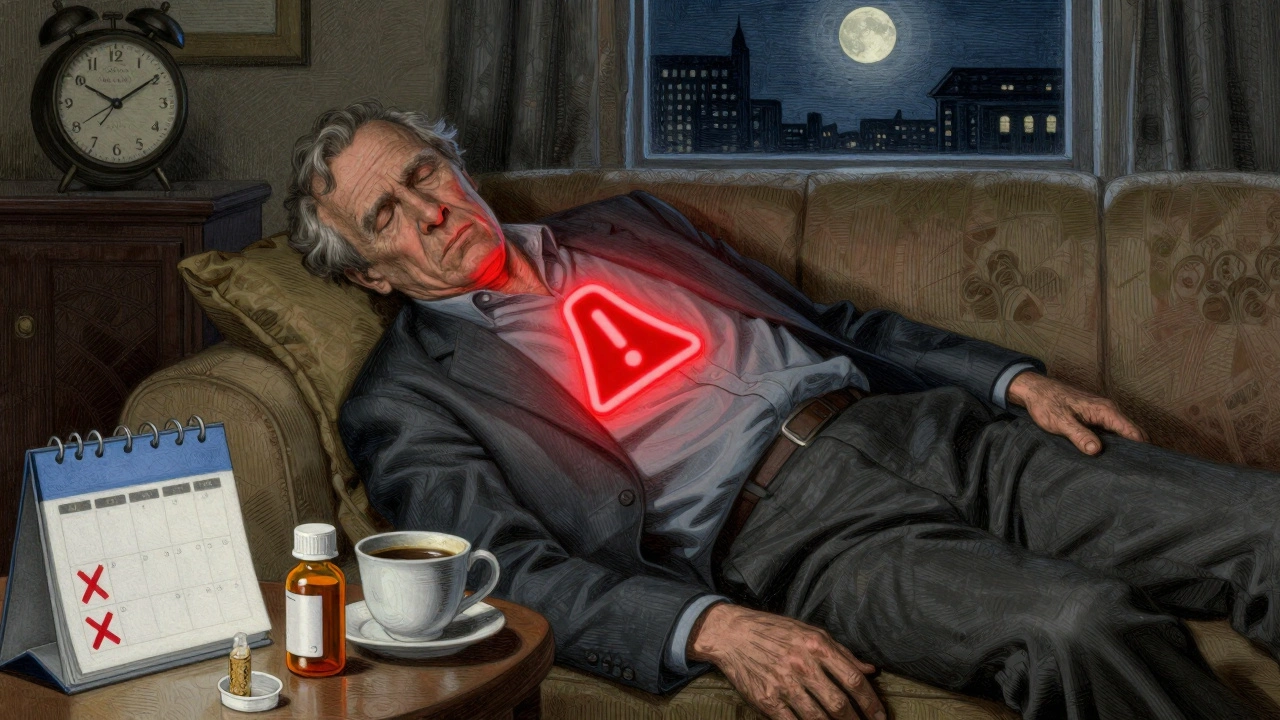
The Real Cost of Skipping Tests
Theophylline costs $15-$30 a month. That’s a fraction of newer biologics that run $200-$400. That’s why it’s still used, especially where resources are limited. But the cost of not monitoring? It’s not just financial. It’s life. One study showed that when hospitals implemented a strict monitoring protocol, adverse events dropped by 78%. Asthma control improved by 35%. Patients felt better. They were safer. And they didn’t end up in the ER.
Patients themselves know this. Surveys show 82% of long-term users say their symptoms are better when levels are in range. But 37% say the frequent blood tests are a hassle. That’s understandable. But here’s the thing: no one ever says, “I wish I hadn’t checked my theophylline level.”
What’s Next for Theophylline Monitoring?
There’s hope on the horizon. Companies like TheraTest Diagnostics and PharmChek Solutions are testing handheld devices that could give you your theophylline level in under five minutes-like a glucose meter for asthma. But until those are approved and widely available, the standard remains unchanged: blood tests. No shortcuts. No exceptions.
The American College of Chest Physicians says it plainly: until point-of-care testing is proven, serum monitoring is the standard of care. That’s not outdated. That’s responsible. That’s what keeps people alive.
Bottom Line: Don’t Gamble With Your Levels
Theophylline isn’t a drug you take and forget. It’s a drug you manage. Every dose change. Every new medication. Every illness. Every lifestyle shift. You need to know your level. Not because you’re being paranoid. Because the numbers don’t lie. And if your level is outside 10-20 mg/L, you’re not just at risk-you’re in danger.
If you’re on theophylline, ask your doctor: When’s my next test? What’s my current level? Are any of my other meds affecting it? Don’t wait for symptoms. Don’t assume you’re fine. This isn’t about being difficult. It’s about staying alive.
What is the safe range for theophylline levels?
The safe and effective range for theophylline is 10-20 mg/L (or 10-20 μg/mL). Some patients may respond to levels as low as 5-15 mg/L, but going above 20 mg/L significantly increases the risk of serious side effects like seizures, heart arrhythmias, and vomiting. Levels above 25 mg/L are considered toxic and require emergency intervention.
How often should theophylline levels be checked?
For stable patients, levels should be checked every 6-12 months. But more frequent testing is needed for high-risk groups: every 3-6 months for patients over 60, every 1-3 months for those with heart or liver disease, and monthly during pregnancy. Always test 5 days after starting treatment or 3 days after any dose change. Immediate testing is required if you start or stop antibiotics, quit smoking, or experience symptoms like nausea, tremors, or palpitations.
Can I take theophylline without regular blood tests?
No. Theophylline has a narrow therapeutic index, meaning the difference between a helpful dose and a toxic one is very small. Even if you feel fine, your levels could be rising dangerously due to factors like new medications, illness, or changes in liver function. Major medical societies, including the American Thoracic Society and European Respiratory Society, require monitoring for all patients-regardless of dose or perceived stability.
What medications can interfere with theophylline levels?
Many common drugs affect theophylline. Antibiotics like erythromycin and clarithromycin can raise levels by 50-100%. Cimetidine (for heartburn), allopurinol (for gout), and fluvoxamine (for depression) also increase risk. On the other hand, carbamazepine, rifampicin, and St. John’s Wort can lower levels by 30-60%. Smoking increases clearance, while quitting smoking can cause levels to spike. Always tell your doctor about every medication and supplement you take.
What are the early signs of theophylline toxicity?
Early signs include nausea, vomiting, tremors, headache, insomnia, and a rapid heartbeat (over 100 bpm). These symptoms often appear before the blood level becomes dangerously high. If you experience any of these, especially after starting a new medication or changing your routine, contact your doctor immediately. Do not wait for severe symptoms like seizures or chest pain-those are emergencies.
Is theophylline still used today, or is it outdated?
Theophylline is still used, though less commonly than in the past. It’s typically reserved for severe asthma or COPD when inhaled steroids and long-acting bronchodilators aren’t enough. It’s valued for its anti-inflammatory effects and low cost-around $15-$30 per month. In resource-limited areas, it remains a vital option. But its use is declining because of the strict monitoring required. It’s not outdated-it’s high-risk, and that’s why monitoring is non-negotiable.








Ollie Newland
Theophylline is one of those drugs that makes you realize medicine isn't just about prescriptions-it's about vigilance. I've seen patients on it for years, thinking they're fine, then boom-ER visit after starting a new antibiotic. The metabolic variability is insane. One guy smoked half a pack a day, levels were rock solid. Quit cold turkey? Level doubled in 72 hours. No warning. No symptoms. Just a silent ticking clock. And don't even get me started on cimetidine. People pop it like candy for heartburn, no clue it's a theophylline landmine.
It's not outdated-it's underappreciated. Cheap as hell, works like a charm when monitored. But the monitoring? That's the hard part. Patients hate the blood draws. Docs hate the paperwork. But skipping it? That's not laziness-it's negligence with a stethoscope.
Michael Feldstein
Just wanted to say this is one of the clearest breakdowns I've read on theophylline. Seriously, thank you. I'm a respiratory therapist and I see this every week-people come in with tremors and palpitations, swear they 'took it like always,' and then we find out they started clarithromycin last week. It's terrifying how fast things can flip.
My favorite tip? Always ask: 'What's changed?' Not just meds-sleep, coffee, smoking, even diet. One patient switched from drip coffee to espresso and her level jumped 3 points. Coffee isn't just caffeine-it's a metabolic wildcard.
jagdish kumar
Life is a narrow therapeutic window.
michael booth
Theophylline remains an essential tool in the management of severe asthma and COPD despite its narrow therapeutic index. Its cost-effectiveness and anti-inflammatory properties make it invaluable in resource-constrained environments. However, the requirement for rigorous serum level monitoring cannot be overstated. Failure to adhere to established protocols increases the risk of toxicity and diminishes therapeutic efficacy. Clinical judgment must be paired with laboratory validation at all times.
Carolyn Ford
Oh, so now we're back to 1980s medicine because it's cheap? That's not 'responsible,' that's just lazy. You're telling people to risk seizures and cardiac arrest because biologics are 'expensive'? What about the cost of a funeral? Or a ventilator bill? And let's not pretend that 'monthly blood tests' are realistic for someone working two jobs and uninsured. This isn't medicine-it's a guilt trip wrapped in a lab report.
Alex Piddington
Thanks for this deep dive. I've been on theophylline for 12 years and honestly, I didn't realize how many things could mess with my levels-until I started taking turmeric supplements. My doc didn't even know about that interaction. Now I keep a list of every pill, herb, and tea I take and bring it to every appointment. It's a pain, but it's saved me twice. If you're on this med, don't be shy-ask about interactions. Even the 'harmless' stuff.
Also, the handheld monitor idea? YES PLEASE. I'd pay extra for that. A finger prick instead of a vein stick? Sign me up. 😊
Dematteo Lasonya
One thing that's rarely mentioned: the timing of the blood draw matters more than people think. Trough levels for immediate-release are critical. I had a patient whose level was flagged as 'low' because they drew blood 30 minutes after dosing. They doubled the dose. Next draw? Toxic. They were lucky it didn't kill them. Always confirm the dosing schedule with the lab. And if you're on extended-release, make sure they know which one-it changes everything.
Also, low potassium from diuretics or beta-agonists? That's a silent multiplier. Theophylline + hypokalemia = higher arrhythmia risk. Always check electrolytes if you're seeing cardiac symptoms. It's not just the theophylline number-it's the whole picture.