
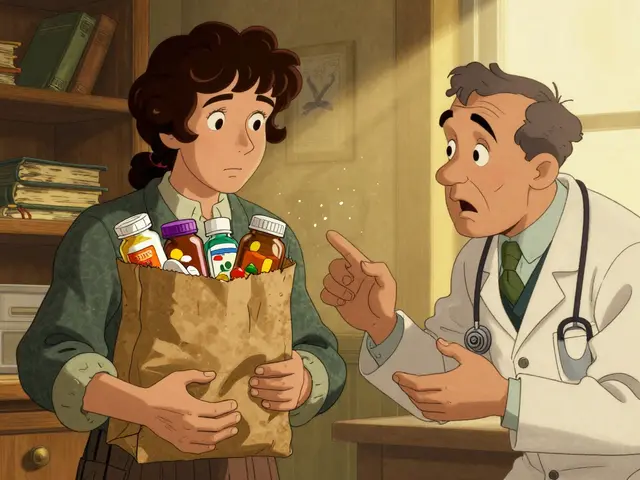
Every year, millions of people take the wrong pill at the wrong time. Some miss doses. Others take double doses because they can’t remember if they already took it. For older adults managing five or more medications, this isn’t just inconvenient-it’s dangerous. Medication mistakes are one of the leading causes of preventable hospital visits, especially among seniors. The good news? Simple tools like blister packs and pill organizers can cut those risks dramatically-if you use them right.
Why Medication Mistakes Happen
It’s easy to think, "I’ve been taking this for years, I know my pills." But the reality is more complicated. A 2022 study in the American Journal of Epidemiology found that nearly half of all people with chronic conditions don’t take their meds as prescribed. Why? Because schedules get messy. A 78-year-old might be on four different pills for blood pressure, diabetes, cholesterol, and arthritis-with doses at breakfast, lunch, dinner, and bedtime. Add in a weekend trip, a change in routine, or mild memory lapses, and errors creep in fast.Traditional pill bottles make it worse. You open a bottle, count out pills by hand, and hope you got the right number. No visual cues. No reminders. One study showed that patients using standard vials had an 82% accuracy rate in taking their meds. That sounds okay until you realize: 1 in 5 doses is wrong. That’s not a small risk. That’s a daily gamble with your health.
What Are Blister Packs? (And Why They Work Better)
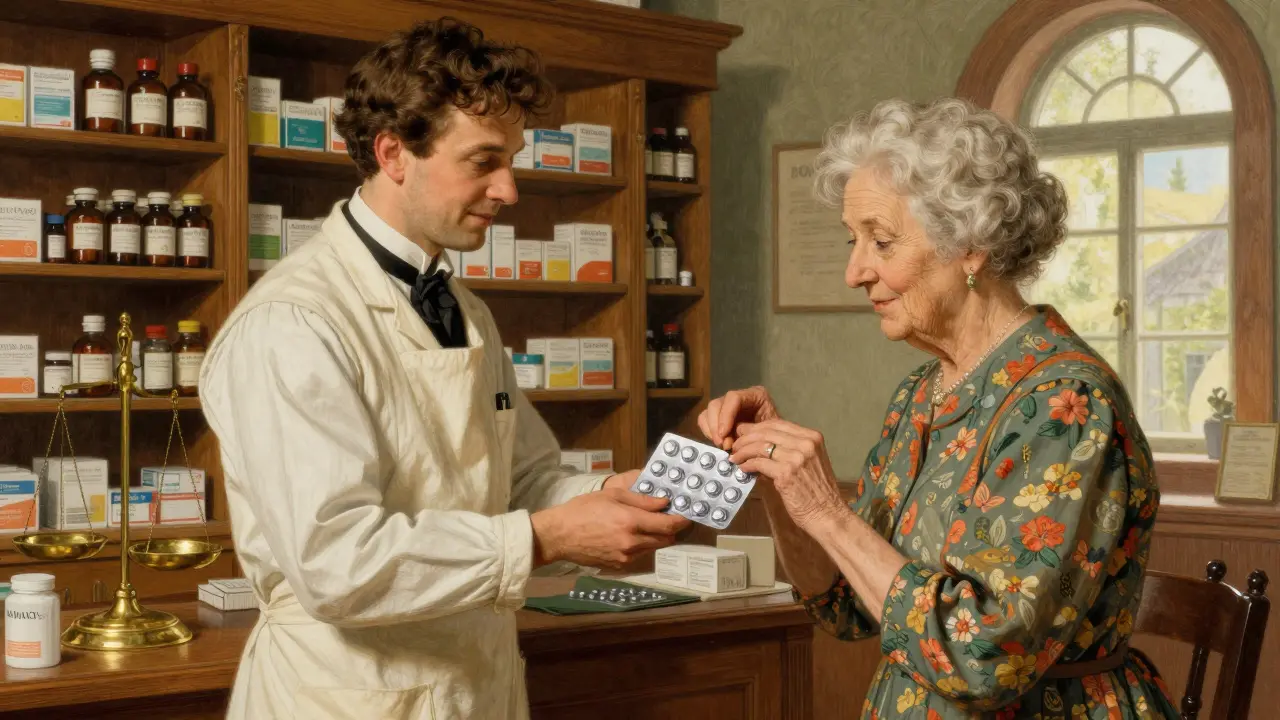
Blister packs are pre-filled, sealed strips of medication, each compartment labeled with the day and time it should be taken. Think of them like a calendar for your pills-each bubble is a single dose, sealed so you can’t mix them up. They’re not new. The first patent was filed in 1950, but they’ve become a game-changer in the last decade.Here’s how they prevent mistakes:
- Each dose is sealed in its own bubble-no counting, no guessing.
- Compartments are clearly marked: "Mon AM," "Tue PM," "Thu Bedtime."
- You can see at a glance which doses you’ve taken. Empty bubbles? Done. Full ones? Still to go.
- They’re tamper-evident. If someone opens a bubble, you’ll know.
According to Pharmcare USA’s 2023 data, blister packs reduce medication errors by 67% compared to traditional vials. A 2022 study tracking 180 hypertension patients found that those using blister packs took their meds correctly 87.4% of the time-compared to just 64.3% for those using regular bottles. That’s a 23% improvement in adherence. And it’s not just about numbers. One caregiver on Reddit said, "My mom used to miss 3-4 doses a week. After switching to blister packs, it dropped to 1-2 a month. She can see exactly what’s left."
Pill Organizers: The Simple Alternative
Pill organizers are plastic boxes with compartments for each day-or multiple times a day. Basic ones have seven slots (one per day). Better ones split each day into morning, afternoon, evening, and bedtime. Many have clear lids so you can see what’s inside.They’re cheap and easy to find. A weekly organizer costs $4-$12 on Amazon. But they come with a big catch: you have to fill them yourself. Every week. That means:
- You need to open multiple bottles.
- You need to count pills accurately.
- You need to remember which pill goes where.
That’s where errors creep in. A 2021 study of arthritis patients found that 37% of users made mistakes while refilling their organizers. One common error? Putting a blood pressure pill in the evening slot instead of the morning. Another? Taking two pills because they thought they missed one.
That’s why pill organizers are best for people with simple regimens-maybe two or three pills a day, same time. For complex regimens? Blister packs win.
Blister Packs vs. Pill Organizers: The Real Difference
It’s not just about convenience. It’s about safety.| Feature | Blister Packs | Pill Organizers |
|---|---|---|
| How doses are prepared | Pre-filled by pharmacy | Manually filled by user/caregiver |
| Accuracy rate | 98% | 82% |
| Adherence improvement | Up to 28% | Up to 18% |
| Best for | 4+ daily meds, complex schedules | 1-3 daily meds, simple routines |
| Cost per month | $45-$105 (pharmacy service) | $5-$20 (one-time purchase) |
| Change flexibility | Requires repackaging | Easy to adjust weekly |
| Visual tracking | Yes-clear empty/full bubbles | Yes, but only if filled correctly |
Blister packs aren’t perfect. If your doctor changes your meds, you need a new pack. And some people with arthritis find them hard to open. But modern blister packs now come with easy-tear edges or even special tools. And if you’re taking five or more pills a day? The risk of a mistake with a pill organizer is too high.
How to Get Started with Blister Packs
You don’t buy them off the shelf. You get them through a pharmacy that offers medication packaging services. Here’s how:- Call your pharmacy. Ask if they offer blister pack or multi-dose packaging. Most community pharmacies now do.
- Bring your current prescriptions. They’ll review all your meds-dosage, timing, interactions.
- They’ll create your custom pack. It usually takes 3-5 business days.
- Get trained. The pharmacist will show you how to open the pack and check off doses.
- Set up a refill schedule. Most pharmacies auto-ship packs monthly or quarterly.
Cost? Around $1.50-$3.50 per day. That’s $45-$105 a month. It sounds pricey, but consider this: one preventable hospital stay costs $10,000-$25,000. Many Medicare Advantage plans cover blister packs entirely. Check with your plan.
What About Smart Technology?
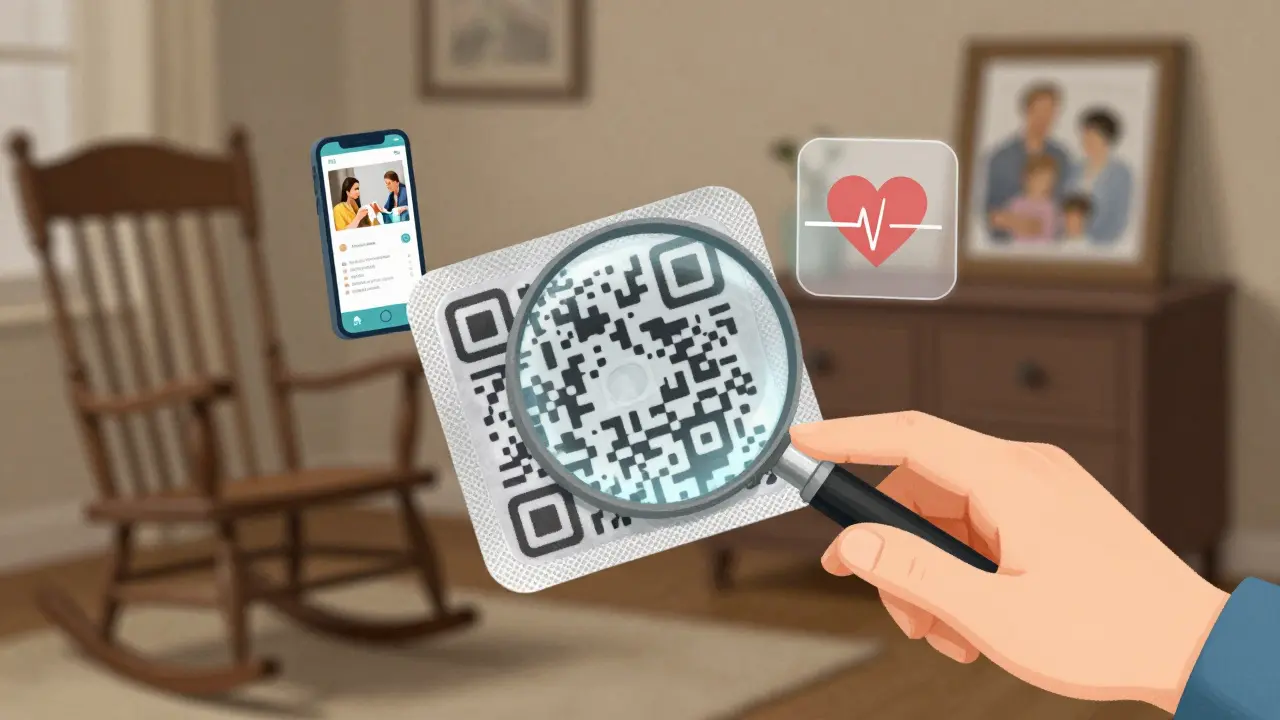
Newer blister packs now come with tech built in. In 2023, the FDA approved the first QR code-enabled blister packs. Scan a bubble with your phone, and you’ll see:- The name of the medication
- Why you’re taking it
- A short video showing how to take it
Companies like AdhereTech now make blister packs with sensors that log when each dose is opened. That data syncs to an app so caregivers know if someone missed a dose. In a pilot study, adherence jumped 37% with these smart packs.
It’s not magic. But it helps. Especially for families far away or people with dementia.
Common Mistakes and How to Avoid Them
Even with the right tools, people still mess up. Here’s what goes wrong-and how to fix it:- Mistake: Not checking the label. Solution: Always read the day and time on the bubble before you take it. Don’t assume.
- Mistake: Filling a pill organizer too far ahead. Solution: Only fill one week at a time. Pills can lose potency or get damp.
- Mistake: Forgetting to update the pack when meds change. Solution: If your doctor changes a dose, call the pharmacy right away. Don’t wait.
- Mistake: Thinking the tool alone fixes everything. Solution: Blister packs reduce errors-but they don’t replace education. Make sure you or your loved one understands why each pill is taken.
A 2021 FDA survey found that 32% of people using blister packs still didn’t know why they were taking certain meds. That’s a gap. Talk to your pharmacist. Ask: "What does this pill do?" "What happens if I skip it?""
Who Benefits Most?
These tools aren’t just for seniors. Anyone taking four or more daily medications can benefit:- People with diabetes, heart disease, or kidney disease
- Those recovering from surgery or hospital stays
- Caregivers managing multiple people’s meds
- Anyone who’s ever taken the wrong pill by accident
Long-term care facilities use blister packs because they cut medication errors by 42%. Hospitals like Mayo Clinic now use them for patients being discharged-especially those with heart failure. Their 30-day readmission rate dropped 18%.
If you’re worried about someone forgetting meds-or taking too many-this isn’t a luxury. It’s a safety net.
Final Thoughts
Blister packs and pill organizers aren’t about being fancy. They’re about being safe. One wrong pill can lead to a fall, a hospital trip, or worse. The data is clear: blister packs reduce errors, improve adherence, and save lives. Pill organizers help too-but only if used correctly.Start small. Talk to your pharmacist. Ask about blister packs. If cost is a concern, ask if your insurance covers them. Many do. And if you’re helping someone else, don’t wait until there’s a crisis. Prevention is easier than repair.
Medication mistakes aren’t inevitable. With the right system, they’re avoidable.
Can I use a pill organizer instead of a blister pack?
Yes, but only if you’re taking two or three pills a day at the same time. If you’re on five or more meds, or have different doses at different times (like morning, noon, evening), a blister pack is far safer. Pill organizers require manual filling, which introduces human error. Blister packs are pre-filled by pharmacists, so there’s no counting or sorting involved.
Are blister packs covered by Medicare?
Original Medicare (Parts A and B) doesn’t cover blister packs. But many Medicare Advantage plans (Part C) do, especially for people with complex medication regimens. Check your plan’s formulary or call customer service. Some plans cover the full cost. Others require a small copay. Pharmacies that offer blister packs can often help you verify coverage.
What if I have trouble opening blister packs?
Many people with arthritis or limited hand strength struggle with standard blister packs. Most pharmacies now offer "easy-open" versions with perforated edges, pull-tabs, or peel-away seals. Some even include a small plastic tool to help pop out pills. Ask your pharmacy for these options-they’re widely available.
Can blister packs hold all types of medication?
No. Medications that need refrigeration (like insulin or certain antibiotics) can’t go in blister packs. Liquid medications, creams, and inhalers also can’t be packaged this way. Your pharmacist will review your full list and only include pills and tablets that are stable at room temperature. You’ll still need to store those other meds separately.
How long does it take to get a blister pack?
It usually takes 3 to 5 business days after your pharmacy receives your prescriptions. They need time to review your meds, print labels, fill the packs, and check for interactions. Rush orders aren’t common, but if you’re being discharged from the hospital, many pharmacies can prioritize your request. Always plan ahead.



Agnes Miller
I started using blister packs for my mom last year after she混了两次药。她现在能自己看出来哪些已经吃了,哪些还没吃。真的省心多了。药房服务也很耐心,教我们怎么撕开包装。虽然贵点,但比起急诊室的账单,值了。
Geoff Forbes
Honestly? Pill organizers are for people who can't handle responsibility. If you're too lazy to count pills or too forgetful to fill a box weekly, maybe you shouldn't be managing your own meds. Blister packs exist for a reason: they remove human error. Stop trying to DIY your way to a hospital bed.
Kancharla Pavan
In India, we have 1.4 billion people managing chronic illnesses with ₹10 pill organizers from roadside vendors. Blister packs? A luxury for the American healthcare industrial complex. Why not teach people to use calendars, alarms, and basic memory techniques instead of outsourcing their brain to a $100/month packaging service? This is capitalism turning medication into a subscription.
PRITAM BIJAPUR
Every pill is a promise we make to our future selves. 🌱 When we forget, it’s not laziness - it’s a fracture in our relationship with our own body. Blister packs? They’re not tools. They’re mirrors. They show us: "You matter enough to be remembered." And if your pharmacist takes the time to label each bubble with care? That’s not service. That’s love. 💙
Dennis Santarinala
I love how this post doesn't just say "use blister packs" - it actually explains why they work. The 98% accuracy stat? That's huge. And the smart QR code ones? Mind blown. I got one for my dad last month. He's 81, never used a smartphone, but he scans the bubbles now just to hear the voice say "this is for your blood pressure." It's like a little robot whispering, "Hey, you got this."
Tony Shuman
Why do Americans need a $100/month service to remember to take pills? In my day, we had a clock and a pillbox. We didn't need tech, we didn't need fancy packaging. This is what happens when you outsource basic responsibility. Blister packs are a crutch. And now the pharma industry is monetizing dependency.
Logan Hawker
Let’s be real - the real issue isn’t the pill organizer. It’s the fact that we’re on 7 different medications for conditions that probably stem from 3 root causes: sugar, stress, and sitting. But nope. Let’s just keep popping bubbles and calling it health. The system is designed to keep us medicated, not healed.
James Lloyd
I work in a geriatric clinic. Blister packs reduce medication errors by over 60% - that’s not a statistic, that’s lives. I’ve seen patients who used to end up in ER every 3 months go 18 months without a single incident after switching. The real win? Families stop feeling guilty. Caregivers stop being overwhelmed. It’s not magic. It’s logistics done right.
Digital Raju Yadav
America spends $400 billion a year on medication errors. And your solution is a plastic box? This is what happens when you treat symptoms instead of systems. Why not fix the pharmacy supply chain? Why not regulate drug dosing better? Why not teach patients to read labels? No. Let’s sell them a $100/month bubble pack. Capitalism at its finest.
Brenda K. Wolfgram Moore
My sister uses a pill organizer and swears by it. But she only takes 2 pills a day. If you’re on 5 meds at 4 different times? She’d be lost. Blister packs are the only thing that actually stops the "did I take this?" panic. And yes, they’re worth the cost. One ER visit pays for a year of them.
Linda Franchock
I filled my mom’s organizer last Tuesday. She took a pill meant for morning at 11pm. We both cried. Then we called the pharmacy. They sent a blister pack the next day. Now she can see what’s left. I don’t have to check her room every night. It’s not fancy. It’s just... human.
Philip Blankenship
I used to think blister packs were for old people. Then my cousin got diagnosed with lupus and started on 8 meds a day. She tried the organizer. Missed 3 doses in a week. Switched to blister packs. Now she’s hiking again. The real magic? She says she feels less like a patient and more like someone who’s got their life together. That’s worth more than any stat.
Prateek Nalwaya
What fascinates me is how this isn’t really about medication at all - it’s about dignity. The ability to manage your own care without constant supervision. Blister packs restore autonomy. They say: "You’re capable. You don’t need someone watching you swallow this." That’s a quiet revolution. And it’s happening one bubble at a time.
Jonathan Ruth
I got the easy-tear blister pack and it’s a game changer. My hands shake from Parkinson’s. Before I’d spend 20 minutes trying to pop pills out and end up spilling them everywhere. Now I just peel. One motion. Done. The pharmacist even gave me a little plastic tool. No one asked. They just saw me struggling and fixed it. That’s care.