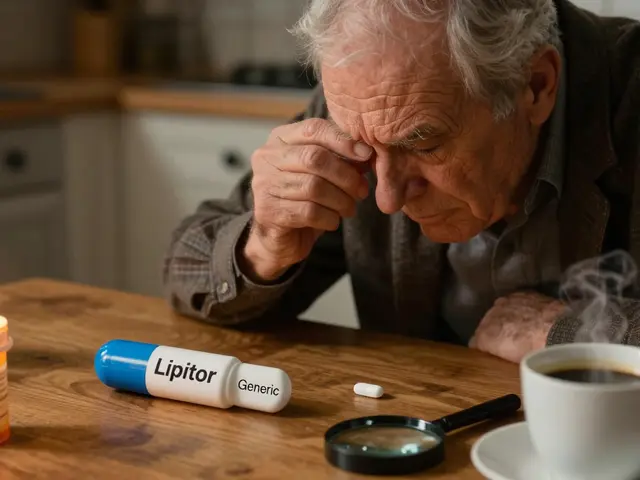
Ever wonder why a dose of medication that worked perfectly for you ten years ago suddenly feels too strong today? Or why your doctor is suddenly cautious about adding a new prescription to your list? It isn't just in your head. As we age, the organs responsible for cleaning our blood-the liver and the kidneys-don't work the same way they did in our thirties. This shift can turn a standard dose into an overdose, leading to dizzy spells, confusion, or worse.
When we talk about drug metabolism is the process by which the body breaks down and eliminates medications, we are looking at a complex biological dance. For older adults, this dance slows down. Understanding exactly how these changes happen is the key to avoiding the emergency room and keeping medications effective.
The Liver: Slowing Down the Filter
Your liver is like a chemical processing plant. It breaks down drugs so they can be safely removed from your system. However, this plant loses efficiency over time. Research shows that hepatic blood flow (the amount of blood reaching the liver) drops by about 40% in older adults. Imagine a factory where the conveyor belt slows down; the raw materials (your medication) arrive more slowly, meaning the liver can't clear them out as quickly.
It's not just the blood flow. The liver actually shrinks, losing about 30% of its mass. There is also a process called pseudocapillarization, where the tiny blood vessels in the liver change structure, further hindering how drugs move through the organ. This means drugs that rely heavily on the liver for clearance can hang around in your system much longer than intended.
Not all drugs are affected the same way. Doctors categorize them into two main types based on how they are processed:
- Flow-limited drugs: These are highly dependent on blood flow. Examples include propranolol and morphine. Because blood flow drops, the clearance of these drugs also drops by roughly 40%.
- Capacity-limited drugs: These depend more on the liver's enzymes. Examples like diazepam are less affected by aging, seeing only a 10-15% drop in clearance.
The Kidneys: The Decline of Filtration
While the liver processes the drug, the kidneys are the primary exit ramp. They filter waste from the blood and flush it out through urine. The gold standard for measuring this is the Glomerular Filtration Rate (GFR), which tells us how many milliliters of blood the kidneys filter per minute.
Between the ages of 30 and 80, the average person sees a 30-50% reduction in GFR. This is a massive shift. If a drug is primarily eliminated through the kidneys, a "normal" dose can quickly build up to toxic levels because the kidneys simply can't keep up with the exit demand.
One dangerous trap for both doctors and patients is relying on serum creatinine levels alone. Creatinine is a waste product used to estimate kidney function, but it's produced by muscles. Since many older adults lose muscle mass, their creatinine levels might look "normal" even though their actual kidney function has plummeted. This can lead to dangerous dosing errors if the clinician doesn't use a more accurate tool like the CKD-EPI equation.
| Feature | Young Adult | Older Adult (65+) | Clinical Result |
|---|---|---|---|
| Hepatic Blood Flow | 100% (Baseline) | ~60% (40% decrease) | Slower clearance of flow-limited drugs |
| Liver Mass | 100% (Baseline) | ~70% (30% decrease) | Reduced overall processing capacity |
| Kidney GFR | High/Stable | 30-50% Reduction | Risk of drug accumulation and toxicity |
| Phase I Metabolism | Efficient | Variable (some decline) | Increased bioavailability for some drugs |
The Danger of Polypharmacy and Drug Interactions
The physiological changes mentioned above are risky enough on their own, but the real danger emerges with polypharmacy, which is the use of five or more medications. When you take multiple drugs, they often compete for the same limited enzymes in the liver or the same filtration paths in the kidneys.
Data shows that polypharmacy increases the risk of adverse drug reactions by a staggering 88%. For example, if you are taking a blood pressure medication that slows down renal clearance and then add an over-the-counter painkiller, you might accidentally trigger acute kidney injury. Even common drugs like acetaminophen can be risky; it's responsible for about 50% of acute liver failure cases in older adults because the aging liver is less resilient to toxicity.
A real-world example of this was seen in a caregiver's account where an 82-year-old woman experienced severe dizziness from a standard dose of amitriptyline. To a 40-year-old, that dose is routine; to her aging liver, it was an overload that caused the drug to linger in her bloodstream far too long.
How to Adjust Medications Safely
Because every person ages differently, chronological age is a poor guide for dosing. A healthy 80-year-old may have better kidney function than a 65-year-old with diabetes. The goal is moving toward precision geriatric pharmacology, where doses are based on actual organ function markers rather than the date on a birth certificate.
Healthcare providers often use the Beers Criteria, a specialized list of medications that are potentially inappropriate for older adults. To keep patients safe, many pharmacists and doctors follow a "start low, go slow" approach: starting with a dose 20-40% lower than the standard adult dose and increasing it only if necessary and tolerated.
Other essential tools include the STOPP and START criteria, which help doctors screen for medications that should be stopped (because they are risky) or started (because they are under-prescribed for the patient's condition). Implementing these tools has been shown to reduce adverse drug events by about 22%.

The Future of Senior Medication Management
We are entering an era of smarter dosing. New software, like GeroDose, allows clinicians to simulate how a drug will behave in a specific patient based on their weight, liver enzymes, and GFR. This takes the guesswork out of prescribing.
Researchers are also digging into epigenetics-how our genes change as we age. They've found specific sites that affect how the CYP3A4 enzyme (a major liver enzyme) works. In the future, a quick genetic test might tell your doctor exactly how your liver processes a specific drug before they ever write the prescription.
Why do older adults have more side effects from meds?
It's primarily because the liver and kidneys become less efficient. The liver filters blood more slowly and loses mass, while the kidneys' glomerular filtration rate (GFR) drops. This means drugs stay in the system longer and reach higher concentrations in the blood, making side effects more likely even at "normal" doses.
Does everyone's liver and kidney function decline at the same rate?
No. While there are average trends, there is huge individual variability. Factors like overall health, comorbidities (such as diabetes or hypertension), and genetics play a huge role. This is why doctors should use specific tests (like the CKD-EPI equation for kidneys) rather than just looking at age.
What is the "start low, go slow" method?
This is a clinical strategy where healthcare providers begin a medication at a significantly lower dose (often 20-40% of the standard adult dose) and gradually increase it. This allows the provider to see how the patient's specific liver and kidney functions handle the drug without risking a toxic reaction.
Can over-the-counter (OTC) meds affect this process?
Absolutely. Many OTC drugs, like acetaminophen, are processed by the liver. Because an aging liver is more vulnerable, taking high doses of these can lead to liver failure more easily than in younger adults. Always check with a pharmacist about interactions between OTCs and prescriptions.
What are the Beers Criteria?
The Beers Criteria are a set of evidence-based guidelines created by the American Geriatrics Society. They identify medications that are potentially inappropriate for older adults because the risks typically outweigh the benefits due to changes in drug metabolism and increased sensitivity.
Next Steps for Patients and Caregivers
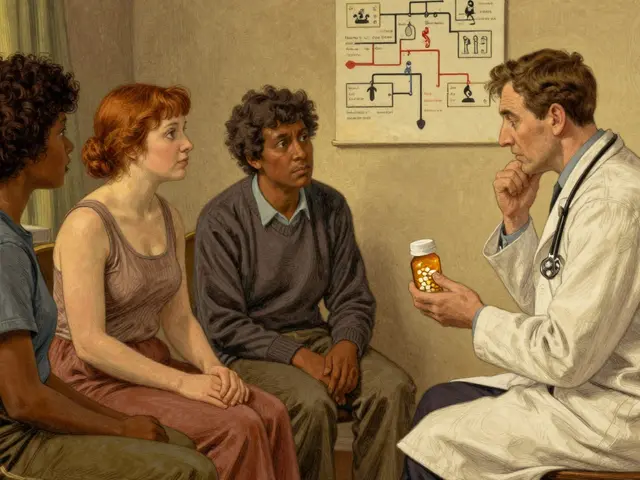
If you are managing medications for yourself or a loved one, don't assume that a dose is safe just because it's "standard." Start by creating a complete list of every pill, supplement, and herbal tea being used. Schedule a "medication review" with a geriatric pharmacist or primary care doctor to specifically ask if doses need adjustment based on current kidney and liver tests.
Watch for subtle signs of drug accumulation. Sudden confusion, increased sleepiness, or unexpected dizziness can be signs that a drug is building up in the system. If you notice these, contact your provider immediately-it might be time to adjust the dose or switch to a medication that is processed differently by the body.