
When you hear hepatitis B, you might think of a short-term illness. But for millions, it’s a lifelong condition that quietly damages the liver over decades. Chronic hepatitis B doesn’t always cause symptoms, but left unchecked, it can lead to cirrhosis, liver failure, or liver cancer. The good news? We now have powerful tools to stop it in its tracks - antivirals that suppress the virus and a vaccine that prevents it entirely. Understanding how these work - and who needs them - can change your life or someone else’s.
What Makes Hepatitis B Chronic?
Not everyone who gets hepatitis B develops a chronic infection. In healthy adults, the immune system clears the virus in over 90% of cases. But for babies and young children, the risk is much higher. About 90% of infants infected at birth become chronic carriers. By age five, that drops to 20-50%. After age five, it’s usually under 5%. Chronic infection is defined simply: if the hepatitis B surface antigen (HBsAg) is still detectable in your blood after six months, you have chronic hepatitis B. This means the virus has settled into your liver cells and is replicating, even if you feel fine. The danger isn’t the virus itself - it’s the inflammation it causes over time. Your immune system keeps trying to fight it, and in the process, it slowly scars your liver. That’s why regular monitoring matters. You might not feel sick, but your liver could be silently turning to fibrosis. Blood tests for ALT (alanine aminotransferase), HBV DNA levels, and non-invasive scans like FibroScan help doctors see what’s happening inside. Without these checks, many people don’t realize they’re at risk until it’s too late.Who Needs Antiviral Treatment?
Treatment isn’t for everyone with chronic hepatitis B. But the rules have changed dramatically in the last five years. In 2024, the World Health Organization updated its guidelines to make treatment simpler and more inclusive. Now, if your HBV DNA is above 2,000 IU/mL - no matter your ALT level or liver scarring - you’re eligible for antivirals. This is a big shift. Older guidelines required high ALT levels or advanced fibrosis before starting treatment. Now, the focus is on early intervention. Why? Because studies show that even people with normal ALT and mild scarring can develop liver cancer over time. Waiting for symptoms to appear is like waiting for a car crash before putting on a seatbelt. There are exceptions. If you have decompensated cirrhosis - meaning your liver is already failing - you need antivirals immediately, and you’ll likely be referred for a transplant evaluation. If you have compensated cirrhosis (your liver still works, but it’s scarred), treatment is recommended regardless of viral load or liver enzymes. Special groups also need attention:- People living with HIV - you must take antivirals that work against both viruses, like tenofovir or emtricitabine.
- Pregnant women with high HBV DNA (above 5.3 log10 IU/mL) - tenofovir is started at week 28 to prevent passing the virus to the baby.
- Those getting cured for hepatitis C - if you have hepatitis B, you need antivirals during and after HCV treatment to prevent the hepatitis B virus from flaring back.
The Best Antivirals Today
There are three main first-line antivirals for chronic hepatitis B: tenofovir disoproxil fumarate (TDF), tenofovir alafenamide (TAF), and entecavir. All three are taken as a daily pill. None cure the virus, but they stop it from multiplying - often for decades. TAF (brand name VEMLIDY) is now the preferred choice for most people. It works just as well as TDF but is easier on the kidneys and bones. Studies show switching from TDF to TAF improves markers of kidney function within months. If you’re over 50, have high blood pressure, diabetes, or already have kidney issues, TAF is the safer bet. Entecavir is also very effective, especially for people who haven’t taken antivirals before. It’s not as strong on bone or kidney safety as TAF, but it’s still a solid option if cost is a concern. Pegylated interferon is rarely used today. It’s given as a weekly injection for up to a year and comes with serious side effects - fatigue, depression, flu-like symptoms. It’s only considered for younger patients with strong immune systems who want a finite course of treatment. The goal isn’t to eliminate the virus completely - that’s still rare. The goal is to suppress it so low that your liver stops getting damaged. Many people stay on treatment for life, but some with sustained viral suppression and normal liver enzymes may be able to stop under close monitoring. That’s still experimental and only done in specialized centers.The Hepatitis B Vaccine: Prevention Is Still the Best Medicine
The hepatitis B vaccine is one of the most effective vaccines ever made. It’s 95% effective at preventing infection when given in full. The standard schedule is three shots: at birth, one month later, and six months after the first. Babies born to mothers with hepatitis B get an extra shot of hepatitis B immune globulin (HBIG) at birth, along with the vaccine. This combination reduces transmission risk from 90% to less than 5%. Adults who never got vaccinated should still get it - especially if you’re in a higher-risk group: healthcare workers, people with multiple sexual partners, those with chronic liver disease, people who inject drugs, or anyone traveling to areas with high hepatitis B rates. The vaccine doesn’t work if you’re already infected. That’s why testing before vaccination matters. If you’re HBsAg-positive, the vaccine won’t help. But if you’re negative and have no antibodies, you’re a candidate. Post-exposure prophylaxis is another key tool. If you’re accidentally stuck with a contaminated needle or have unprotected sex with someone who has hepatitis B, get the vaccine and HBIG within 24 hours. The sooner, the better. After 72 hours, effectiveness drops sharply.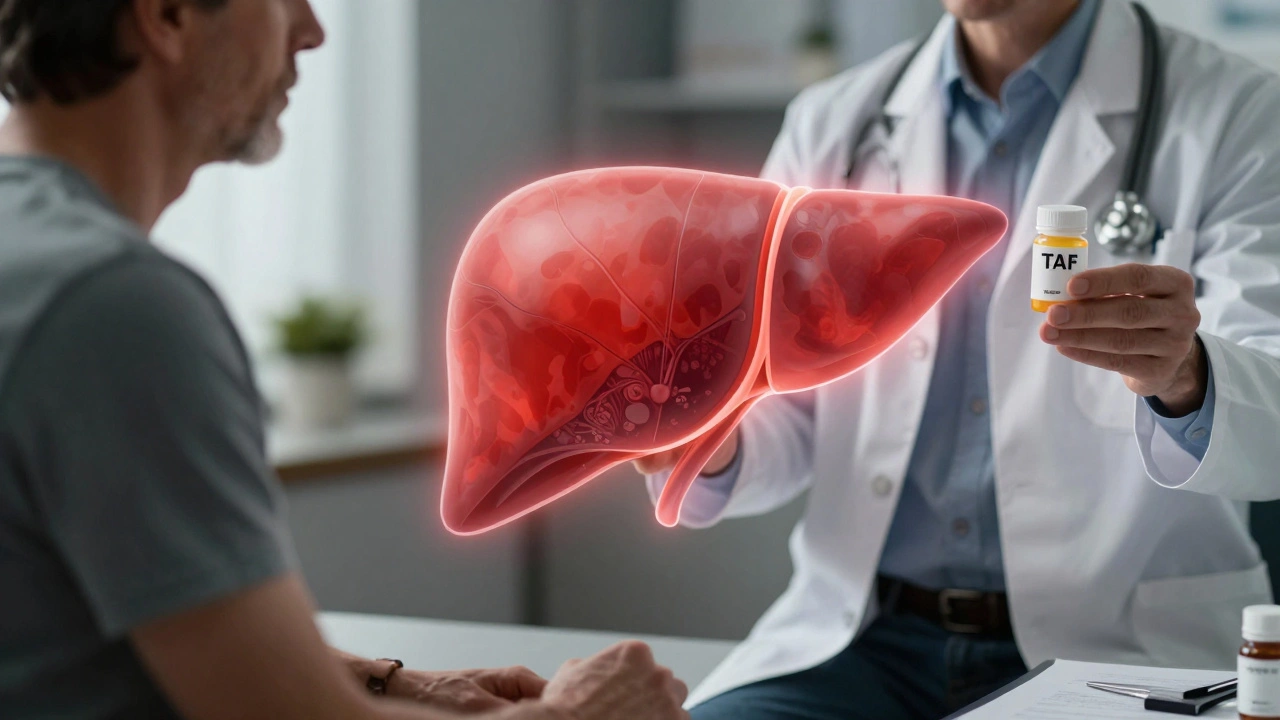
Monitoring and Long-Term Care
If you have chronic hepatitis B, you need to see a liver specialist at least every six months. This isn’t optional. Even if you’re not on antivirals, you need regular checks for liver cancer. That means an ultrasound and AFP blood test every six months. If you’re on antivirals, your doctor will monitor your kidney function, bone density (especially if you’re on TDF), and HBV DNA levels. Stopping treatment without supervision can cause a dangerous flare-up of hepatitis B - sometimes fatal. You also need to avoid alcohol. Even small amounts can speed up liver damage. Talk to your doctor before taking any supplements or over-the-counter meds - some, like acetaminophen in high doses, can harm your liver.What’s Coming Next?
The future of hepatitis B treatment is moving beyond lifelong antivirals. Researchers are testing drugs that target the virus’s hidden DNA - called cccDNA - that sits inside liver cells and keeps the infection alive. At least 15 new compounds are in clinical trials. Some aim to shut off viral production, others to wake up the immune system to clear the virus. Experts predict that by 2030, 30-40% of people with chronic hepatitis B might achieve a functional cure - meaning the virus is undetectable without treatment, and the risk of liver damage is near zero. That’s not a full cure yet, but it’s close. One major barrier remains: stigma. Many people with hepatitis B are afraid to tell partners, employers, or even family. That’s why health systems are now pushing for mandatory training for primary care providers. Doctors need to know how to talk about hepatitis B without judgment. Patients need to know they’re not defined by their diagnosis.What You Can Do Right Now
If you’ve never been tested for hepatitis B, get a simple blood test. It’s often done with your routine liver panel. If you’re positive, ask your doctor about your HBV DNA level, ALT, and fibrosis status. Don’t wait for symptoms. If you’re negative and not vaccinated, get the three-shot series. It’s safe, effective, and often free at public health clinics. If you’re on antivirals, take them every day. Don’t skip doses. Set a phone reminder. Missing pills increases the chance of drug resistance. And if you know someone with hepatitis B - listen to them. Don’t assume they’re contagious through casual contact. You can’t get it from hugging, sharing food, or using the same bathroom. It’s spread only through blood and body fluids.






Iris Carmen
so i got tested last year bc my cousin has hb and i was like lol why not and turns out i was negative. got the vaccine right away. like bruh why is this not mandatory at birth everywhere???
Jennifer Blandford
i live in a town where half the people don’t even know what hepatitis B is. my aunt had it for 20 years and never knew until she got dizzy and passed out. now she’s on TAF and her liver’s healing. if you feel fine but have risk factors? get tested. your future self will cry tears of joy.
Asset Finance Komrade
One must contemplate the epistemological dissonance inherent in modern hepatology: the paradox of suppression as a proxy for cure. The antivirals do not eradicate cccDNA-they merely impose a metaphysical truce upon the viral genome. Is this not akin to imprisoning a ghost? And yet, we call it progress. The vaccine, however, remains the only true act of ontological sovereignty over biological fate.
Lauren Dare
Oh wow, so now we’re giving antivirals to people with ‘normal’ ALT? Next they’ll prescribe statins to people who just look tired. I’m sure the pharma reps are thrilled. 🤡
Rich Paul
bro TAF is lit but it’s like $1k/month without insurance. my homie on medicaid got stuck with TDF and his creatinine went through the roof. they didn’t even switch him till he started limping. this system is a joke. also why’s no one talking about the fact that HBV can reactivate after chemo? my uncle died bc his oncologist didn’t screen him. #medicalneclect
Gilbert Lacasandile
Just wanted to say thank you for this post. My mom was diagnosed last year and I’ve been reading everything I can. The part about not sharing food or hugging? I showed that to my whole family. We used to treat her like she had the plague. Now we cook together. She cried. This matters.
Tiffany Sowby
Yeah sure, ‘get tested’ like I’m gonna run to a doctor because some internet post told me to? I’m fine. I don’t even drink. Why do I need to care about some virus I can’t even see?
Ronald Ezamaru
For anyone reading this and thinking ‘I don’t need to worry’ - if you’ve ever had a tattoo, piercing, shared a razor, had unprotected sex, or been hospitalized overseas, you’re in the risk group. No symptoms doesn’t mean no virus. The liver doesn’t scream until it’s too late. Get the blood test. It takes five minutes. Your liver won’t thank you - but your kids will.