
Bleeding Emergency Checker
This tool helps you determine if your bleeding situation is an emergency requiring immediate medical attention. Based on information from the article "Blood Thinner Bleeding: When to Seek Emergency Care".
Taking a blood thinner can save your life - but it also means even a small cut or bump could turn dangerous. If you’re on warfarin, Eliquis, Xarelto, or any other anticoagulant, you’ve probably worried about bleeding. You’re not alone. About 3 in 100 people on these medications have a serious bleed each year. The real question isn’t whether you’ll bleed - it’s when to panic.
What counts as a medical emergency?
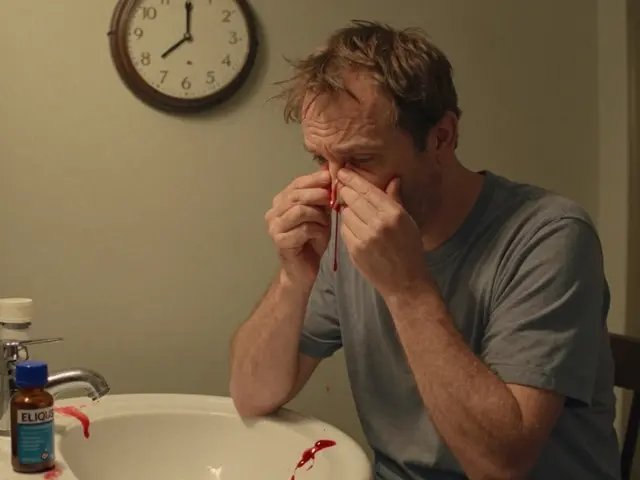
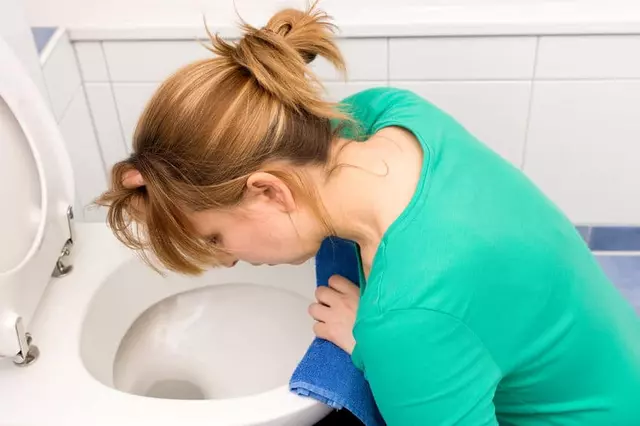
Not all bleeding is the same. A nosebleed that lasts 12 minutes? Probably not an emergency. But if you’re vomiting blood, coughing up bright red blood, or passing black, tar-like stools, you need to go to the hospital now. These aren’t just inconvenient - they’re signs of internal bleeding that can kill you within hours.Here’s what you must treat as an emergency:
- Any bleeding that doesn’t stop after 15 minutes of firm, continuous pressure
- Vomiting blood or coughing up blood (even if it’s just a few teaspoons)
- Blood in your urine - it might look pink, red, or brown
- Black, tarry, or sticky stools - this means bleeding in your stomach or intestines
- A sudden, severe headache, confusion, or loss of balance - could be bleeding in the brain
- Unexplained swelling, pain, or bruising in your abdomen, back, or thigh
- Difficulty breathing, chest pain, or fainting
- Menstrual bleeding so heavy you’re soaking through a pad every hour for more than two hours
These aren’t "maybe" situations. If you have any of these, call an ambulance or go straight to the ER. Don’t wait. Don’t text your doctor first. Time matters. Bleeding inside your skull or gut can cause shock in under an hour.
What’s just "nuisance bleeding"?
Most bleeding on blood thinners isn’t life-threatening. In fact, over half of all ER visits by people on anticoagulants are for things like:- Nosebleeds that last 10-20 minutes
- Bleeding gums when brushing
- Small cuts that take a few extra minutes to clot
- Minor bruising after bumping into something
These are annoying - yes. Dangerous? Usually not. But here’s the trap: people panic. They stop their medication. And that’s far more dangerous than the bleeding itself.
One study found that 68% of patients who stopped their blood thinner after a minor bleed had a clot - like a stroke or pulmonary embolism - within 30 days. The risk of dying from a clot is much higher than the risk of dying from a nosebleed. Your doctor didn’t prescribe this drug to make your life slightly messier. They prescribed it to keep you alive.
How to handle minor bleeding at home
If you’re sure it’s not an emergency, here’s what to do:For cuts and scrapes:
- Apply firm, direct pressure with a clean cloth or gauze. Don’t peek. Keep pressure on for at least 10 minutes. If you lift it early to check, you’re resetting the clock.
- Elevate the injury above your heart if possible.
- Don’t use hydrogen peroxide or alcohol - they delay healing.
- Once it stops, cover it with a bandage. It might ooze a little for the next few hours. That’s normal.
For nosebleeds:
- Sit upright and lean slightly forward. Don’t tilt your head back - you’ll swallow blood and possibly choke or vomit.
- Pinch the soft part of your nose (just below the bridge) with your thumb and index finger.
- Hold it for 10-15 minutes straight. No checking. No breathing through your mouth to check if it’s stopped.
- If it’s still bleeding after 30 minutes, go to the ER.
For gums or mouth:
- Rinse with cold water or suck on an ice cube.
- Use a soft toothbrush and avoid flossing too hard.
- Call your dentist - not your doctor - if bleeding keeps happening.
What to do after a head injury
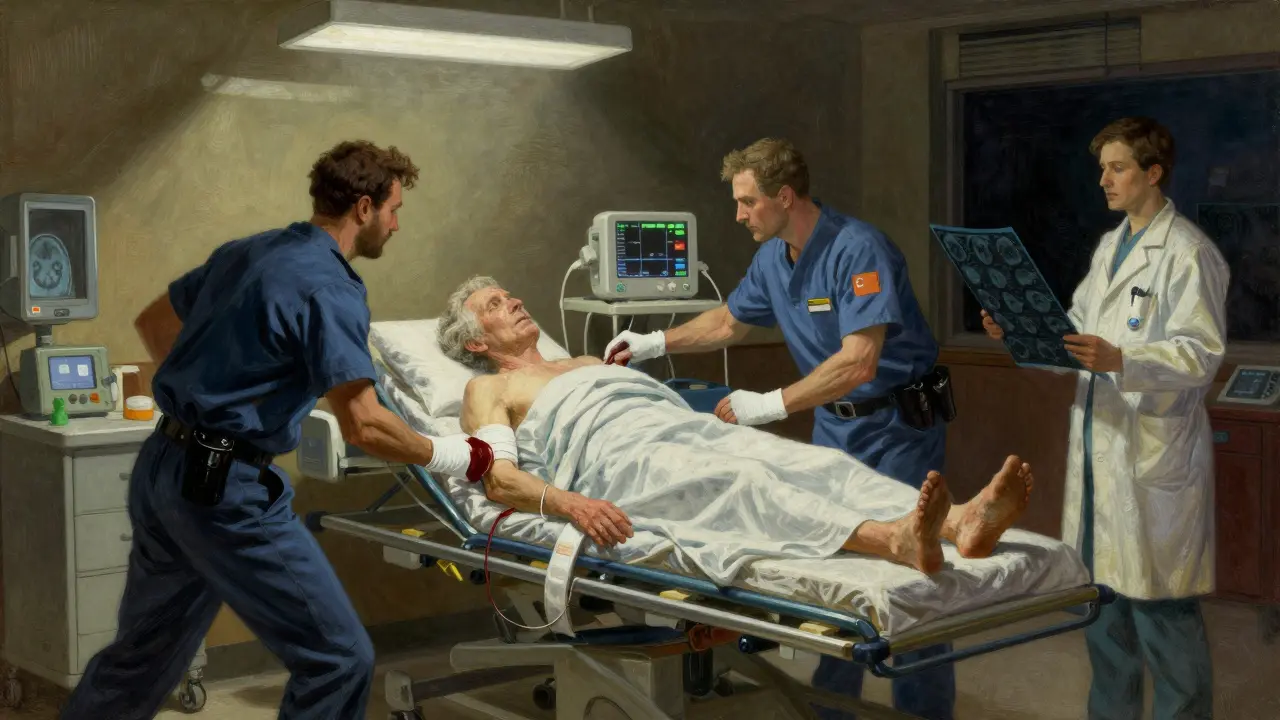
Even a minor bump on the head can be deadly if you’re on blood thinners. You might feel fine right after. That doesn’t mean you are.Internal bleeding in the brain can take 24 to 72 hours to show symptoms. If you hit your head - even if you didn’t lose consciousness - get checked. Don’t wait for a headache. Don’t assume it’s "just a bruise."
Go to the ER if you experience:
- Dizziness or confusion
- Blurred vision or double vision
- Nausea or vomiting
- Slurred speech
- Weakness on one side of your body
Even if none of these show up, call your doctor. They might recommend a CT scan. Better safe than sorry.
Don’t stop your medication - ever
This is the biggest mistake people make. You have a nosebleed. You’re scared. You skip your next dose. Or you stop for a few days.Here’s what happens next: your blood starts clotting again. Within 24 to 48 hours, your risk of stroke or pulmonary embolism jumps dramatically. One study showed that stopping your blood thinner for just a few days raises your stroke risk by 300% in the first week.
Your doctor knows this. That’s why they tell you: never stop without talking to them. If you’re worried about bleeding, call them. Ask for advice. Ask if you need a blood test. Ask if you should temporarily lower your dose. But don’t decide on your own.
What’s new in bleeding treatment
The good news? Emergency care for bleeding on blood thinners is getting faster and better.Since 2023, drugs like andexanet alfa (Andexxa) can reverse the effects of Eliquis and Xarelto in under an hour - down from 3 to 4 hours. That’s a game-changer. Soon, a universal reversal agent called ciraparantag could work for all blood thinners, even warfarin.
Emergency rooms are also starting to use quick blood tests at the bedside to measure how thin your blood is. That means they can give you exactly the right antidote - not too much, not too little - within minutes.
Telehealth is helping too. More patients are now talking to their anticoagulation clinic by video or phone for minor issues. One study showed this cut unnecessary ER visits by 37%. You don’t need to rush to the hospital for every little bleed.

Who’s at highest risk?
Some people are more likely to bleed badly:- People over 75
- Those with kidney or liver disease
- People who’ve had a previous bleed
- Those taking other meds like aspirin, NSAIDs (ibuprofen, naproxen), or steroids
- Patients on multiple blood thinners
If you fall into one of these groups, be extra careful. Keep a list of all your meds. Tell every doctor - even your dentist - that you’re on a blood thinner. And know your emergency signs cold.
What to carry with you
Keep a small card or note in your wallet or phone that says:- Your name
- Your blood thinner (e.g., "Apixaban 5mg twice daily")
- Your doctor’s name and number
- Your INR if you’re on warfarin
Some pharmacies offer free medical alert bracelets for anticoagulant users. Get one. If you pass out in public, this could save your life.
Can I still exercise on blood thinners?
Yes - but avoid high-risk activities. Walking, swimming, and cycling are safe. Avoid contact sports like football or boxing. Wear protective gear if you ride a bike or skate. Falls and collisions are the biggest danger.
Do all blood thinners carry the same bleeding risk?
No. Apixaban (Eliquis) has the lowest risk of major bleeding - about 2.1 events per 100 people per year. Warfarin has a higher risk, around 3.8 per 100. Dabigatran and rivaroxaban fall in between. Your doctor picks the one that balances clot prevention and bleeding risk for you.
What if I accidentally take two doses?
Don’t panic. Take the next dose as scheduled. Don’t double up again. Call your anticoagulation clinic or pharmacy. They’ll tell you whether to skip the next dose or monitor for bleeding. Never take extra doses to "make up" for a missed one.
Can I drink alcohol while on blood thinners?
Moderation is key. One drink a day is usually fine. More than that increases bleeding risk - especially with warfarin. Alcohol can also interfere with how your liver processes the drug. If you drink regularly, tell your doctor. They may need to check your blood more often.
Should I get a medical alert bracelet?
Yes. If you’re on long-term anticoagulants, a medical alert bracelet is one of the smartest things you can do. In an emergency, paramedics and ER staff need to know immediately that you’re on a blood thinner. It can change how they treat you - and save your life.
What should I do if I fall and feel fine?
Even if you feel okay, call your doctor. Internal bleeding - especially in the brain or abdomen - can develop slowly. Watch for dizziness, confusion, abdominal pain, or unusual bruising over the next 2-3 days. If anything seems off, go to the ER. Don’t wait.
Final thought: Be informed, not afraid
Blood thinners aren’t the enemy. Clots are. You’re taking this medication because it’s keeping you alive - whether you have atrial fibrillation, a replaced heart valve, or a history of clots. Bleeding is a risk - but it’s a manageable one.Know the signs. Know what to do. Don’t stop your meds. And when in doubt - go to the hospital. It’s better to be checked and cleared than to wait and regret it.



Cheryl Griffith
I’ve been on Eliquis for three years now, and this post nailed it. I used to panic every time I got a nosebleed-now I just pinch it for 15 minutes and breathe. No more rushing to the ER over minor stuff. But I still keep that medical alert card in my wallet. Better safe than sorry.
Stephen Tulloch
LMAO so many people treat blood thinners like they’re holding a grenade. Bro, if you’re scared of a nosebleed, maybe you shouldn’t be on anticoagulants in the first place 😂. Also, yes, Andexxa is a game-changer-finally, some real science instead of just ‘call your doctor’ nonsense. 🚑💊
Henry Ip
Great breakdown. One thing I’d add-don’t forget about your dentist. I had a tooth pulled last year and forgot to tell them I was on Xarelto. They gave me a local with epinephrine and I bled for 45 minutes. Not fun. Always tell every provider. Even the guy who gives you a flu shot.
Nicholas Gabriel
Let me just say this: if you’re on a blood thinner, and you don’t know your INR-if you’re on warfarin-you’re playing Russian roulette with your brain. I’ve seen too many people ignore their labs, then show up in the ER with a subdural hemorrhage. Check your numbers. Keep a log. Don’t be that person. Your family will thank you.
Also, don’t trust ‘online advice’ about skipping doses. Your doctor didn’t prescribe this because they hate you-they prescribed it because they care. Respect the meds. Respect the risk.
And yes, I’m the guy who carries a laminated card with my meds, INR, and doctor’s contact info. I’ve had paramedics thank me for it. Twice. Once in a parking lot. Once in a grocery store. You never know when you’ll need it.
Also, if you’re over 70 and on anticoagulants, wear a medical alert bracelet. Not a ‘fashion statement.’ A life-saving tool. Walmart sells them for $12. Get one.
And for the love of God, don’t take ibuprofen. Tylenol is fine. Ibuprofen? That’s a bleeding risk multiplier. Your knees might hurt, but your brain doesn’t.
And if you’re thinking, ‘I’ll just stop it if I get a cut’-stop thinking that. Clots don’t care how you feel. They don’t wait for your schedule. They strike when you’re asleep. When you’re driving. When you’re hugging your grandkid.
My uncle died from a pulmonary embolism two days after he skipped his warfarin because he had a ‘minor’ bruise. Don’t be him.
Know the signs. Know your meds. Know your risk. And when in doubt-go to the hospital. You’ll be embarrassed. You’ll be fine. Your family will be grateful.
And if you’re reading this and you’re on a blood thinner-yes, you. You’re doing better than you think. Keep going.
Riya Katyal
Oh wow, so if I have a nosebleed I should just sit there like a statue for 15 minutes? What if I’m at work? What if I’m on a Zoom call? Do I just say ‘hold on, I’m bleeding internally’? 😏
Corey Sawchuk
Been on Xarelto for 5 years. Never had a major bleed. Just learned to be chill. Nosebleeds happen. Cuts take longer. Bruises look like a crime scene. But I’m alive. That’s the point.
Samyak Shertok
So we’re told to fear bleeding but not fear the clot? What a beautiful paradox of modern medicine. We’re told to trust science, but the science changes every year-first warfarin, now DOACs, now Andexxa, now ciraparantag. Who’s really in control here? The patient? Or the pharmaceutical lobby? 🤔
I mean, if you really think about it-your blood is just a river. And we’re damming it with chemicals. Then we panic when it overflows. But who built the dam? And why? And who profits when the dam breaks?
Just saying… maybe the real solution isn’t better reversal agents… maybe it’s not needing them in the first place.
evelyn wellding
YESSSS this is so important!! 💪 I used to be terrified of my blood thinner until I read this. Now I feel like a superhero. I even got a cool medical bracelet with a heart and a drop of blood on it 😍. If I pass out, at least I’ll look good doing it 💖
Rob Deneke
Good info. One thing people forget-hydration. Drink water. It helps your blood flow better and reduces clot risk. Simple. Free. Do it.
Ryan Hutchison
Why do we even need all these fancy drugs? Back in my day, we just used aspirin and didn’t complain. Now everyone’s on five different pills and crying over a nosebleed. America’s gone soft.
Nick Cole
Just had a head bump last week. Felt fine. Called my anticoag clinic. They told me to watch for 48 hours. No CT. No panic. Just watch. And I did. Nothing happened. That’s the power of knowing what to do. This post? Gold.