Theophylline Toxicity: Signs, Risks, and What to Do If It Happens
When theophylline, a bronchodilator used to treat asthma and COPD builds up too high in your blood, it turns from a life-saving medicine into a serious threat. This is called theophylline toxicity, a dangerous condition caused by excessive levels of the drug in the body. It doesn’t happen overnight—it’s usually the result of missed dose adjustments, drug interactions, or changes in how your body processes the medicine. People on theophylline need to know the red flags because symptoms can sneak up fast: nausea, vomiting, rapid heartbeat, tremors, and even seizures. The difference between a therapeutic dose and a toxic one is narrow, and many don’t realize they’re in danger until it’s too late.
What makes serum theophylline levels, the measurable concentration of the drug in the bloodstream so critical is that they vary wildly between people. A dose that’s perfect for one person might push another into toxicity. Factors like smoking, liver disease, or even drinking coffee can change how quickly your body clears the drug. And it’s not just about the dose—drug interactions, when other medications interfere with how theophylline is broken down are a major cause. Antibiotics like ciprofloxacin, antifungals, or even some heart meds can spike levels without you knowing. That’s why regular blood tests aren’t optional—they’re the only way to catch trouble before it hits.
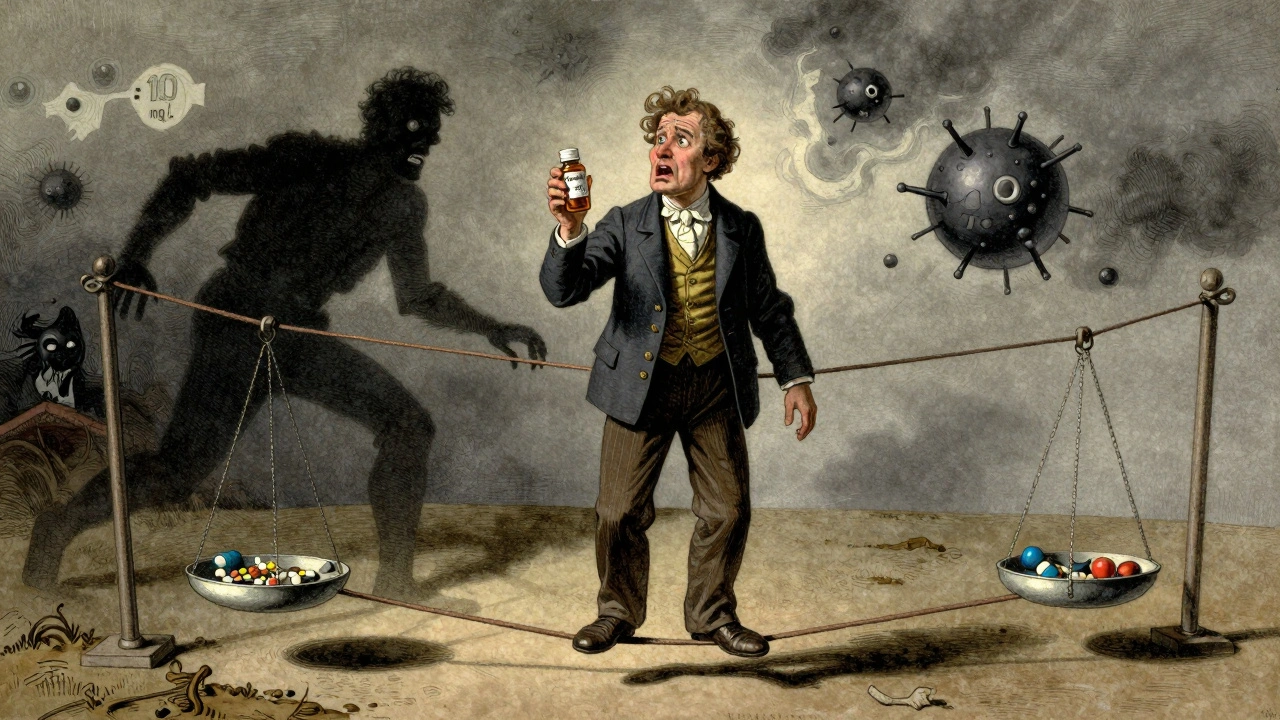
If you’re on theophylline, you’re not just taking a pill—you’re managing a tightrope walk. Missing a dose? Don’t double up. Starting a new antibiotic? Tell your doctor you’re on theophylline. Feeling off? Don’t wait for it to pass. The theophylline toxicity risk is real, and early action saves lives. The posts below cover real cases, warning signs you can’t ignore, how labs track drug levels, and what to do if you or someone you know shows symptoms. You’ll also find guides on avoiding dangerous combos, understanding why some people react worse than others, and how to talk to your pharmacist about safety. This isn’t theory—it’s what keeps people alive.
Theophylline is a powerful but dangerous asthma and COPD medication with a narrow therapeutic window. Without regular blood testing, even small changes in dose or other medications can lead to life-threatening toxicity.