NTI Drugs: What They Are, Why They Matter, and What You Need to Know
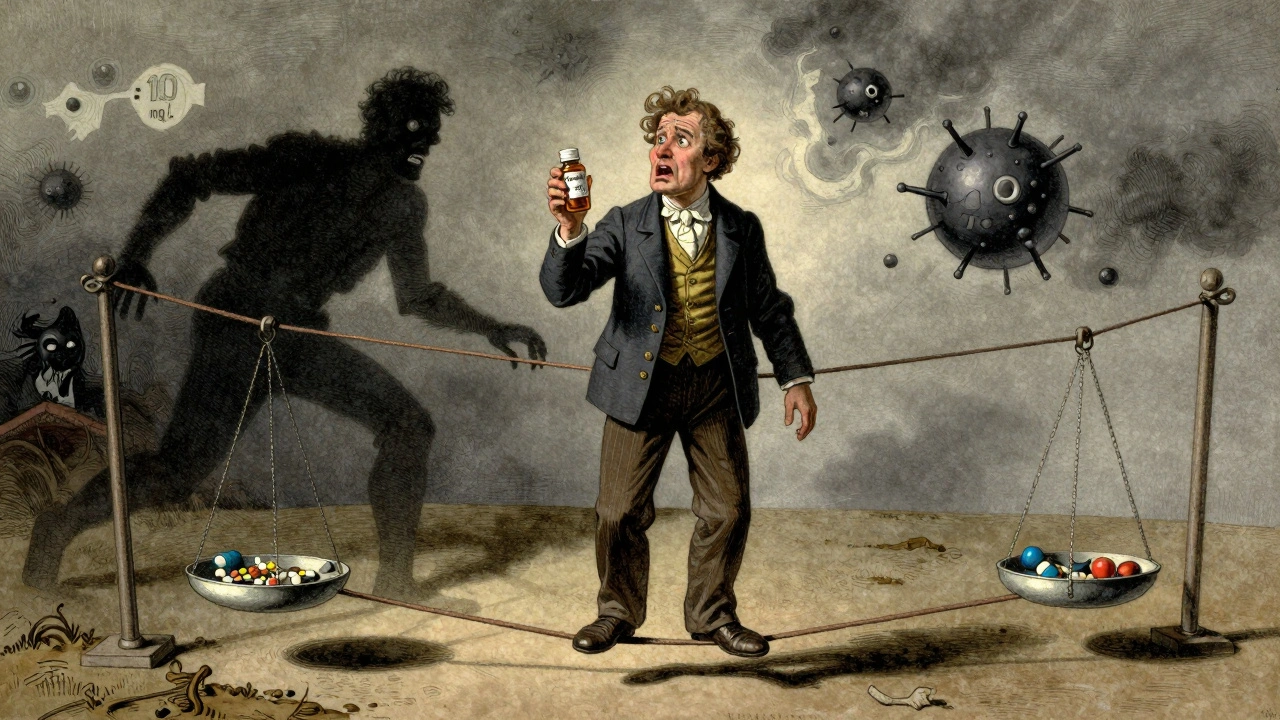
When a drug has a Narrow Therapeutic Index, a small difference in dose can lead to serious toxicity or treatment failure. Also known as NTI drugs, these medications require precise dosing because the line between helping and harming is razor-thin. Think of it like driving a sports car—you can get incredible performance, but one wrong move and things go bad fast. Drugs like warfarin, levothyroxine, phenytoin, and cyclosporine fall into this category. They work wonders when dosed right, but even a 10% change can trigger dangerous side effects, organ damage, or complete treatment failure.
NTI drugs are closely tied to bioequivalence, how closely a generic version matches the brand-name drug in how it’s absorbed and used by the body. For most drugs, generics that fall within 80%-125% of the brand’s absorption are considered safe. But for NTI drugs, regulators demand tighter control—often requiring exact matches. That’s why some states restrict automatic substitution of NTI generics without doctor approval. It’s not about cost—it’s about safety. A small shift in blood levels can mean the difference between controlled seizures and a seizure emergency, or stable thyroid function and heart rhythm problems.
Monitoring is non-negotiable with NTI drugs. Blood tests aren’t optional—they’re part of the treatment plan. For example, someone on warfarin needs regular INR checks. Someone on phenytoin must have drug level tests every few weeks. Even something as simple as switching brands or taking a new supplement can throw off the balance. That’s why you’ll find articles here about warfarin and cold medicine, how common OTC drugs can dangerously interact with NTI medications, and why Cmax and AUC, measures of peak concentration and total drug exposure matter so much when evaluating generics. These aren’t abstract science terms—they’re real-life safety checks.
What you’ll find in this collection isn’t theory. It’s what people actually need to know: how to spot red flags, what questions to ask your pharmacist, why some generics aren’t interchangeable, and how to avoid mistakes that could land you in the hospital. Whether you’re taking one of these drugs yourself, caring for someone who is, or just trying to understand why your meds are so tightly controlled, this is the practical guide you need.
Theophylline is a powerful but dangerous asthma and COPD medication with a narrow therapeutic window. Without regular blood testing, even small changes in dose or other medications can lead to life-threatening toxicity.