Key Takeaways
- Long-term OCS use leads to severe systemic complications, including diabetes and osteoporosis.
- Biologics are the primary modern alternative for patients with type 2 inflammation.
- Switching to biologics can significantly reduce OCS dependence and hospitalization rates.
- Safe steroid tapering requires a collaborative strategy between patients and providers.
- The "shadow costs" of OCS side effects often make expensive biologics more cost-effective over time.
The True Cost of Steroid Dependence
When we talk about "burden," we aren't just talking about the price of the medication. Most OCS are cheap. The real burden is what happens to your body. Oral Corticosteroids is a class of potent anti-inflammatory medications used to treat severe asthma exacerbations by suppressing the immune response. While they work quickly, they don't just target the lungs; they affect every system in the body.
Research from 2025 shows a staggering 93% of patients with severe asthma experience complications related to their OCS dose or dependence. We aren't just talking about a little bit of weight gain. Prolonged use can lead to diabetes, osteoporosis (brittle bones), and glaucoma. Some patients even struggle with adrenal insufficiency, where the body can no longer produce its own natural cortisol. Even short courses-under 30 days-can trigger anxiety or depression in some people. In Italy, the annual cost to manage these side effects for an asthma patient is roughly €1,960, nearly double what non-asthma patients pay for similar steroid-related issues.
Moving Toward a New Standard of Care
For decades, OCS were the only option for those who didn't respond to inhaled steroids. However, the Global Initiative for Asthma is an international network that provides the GINA guidelines, the gold standard for asthma diagnosis and management worldwide. The GINA guidelines have shifted. They now suggest that maintenance OCS (doses of 7.5 mg or less per day) should be a last resort. Instead, they recommend moving toward biological therapies before settling for chronic steroid use.
The shift is based on a simple realization: we can now target the specific "flavor" of asthma a person has. About 50% to 70% of severe asthma cases are driven by type 2 inflammation is a specific immune response involving cytokines like IL-4, IL-5, and IL-13 that leads to airway eosinophilia and mucus production. If you have this type of inflammation, you are a prime candidate for biologics, which can replace the need for OCS by blocking the specific proteins causing the swelling in your lungs.
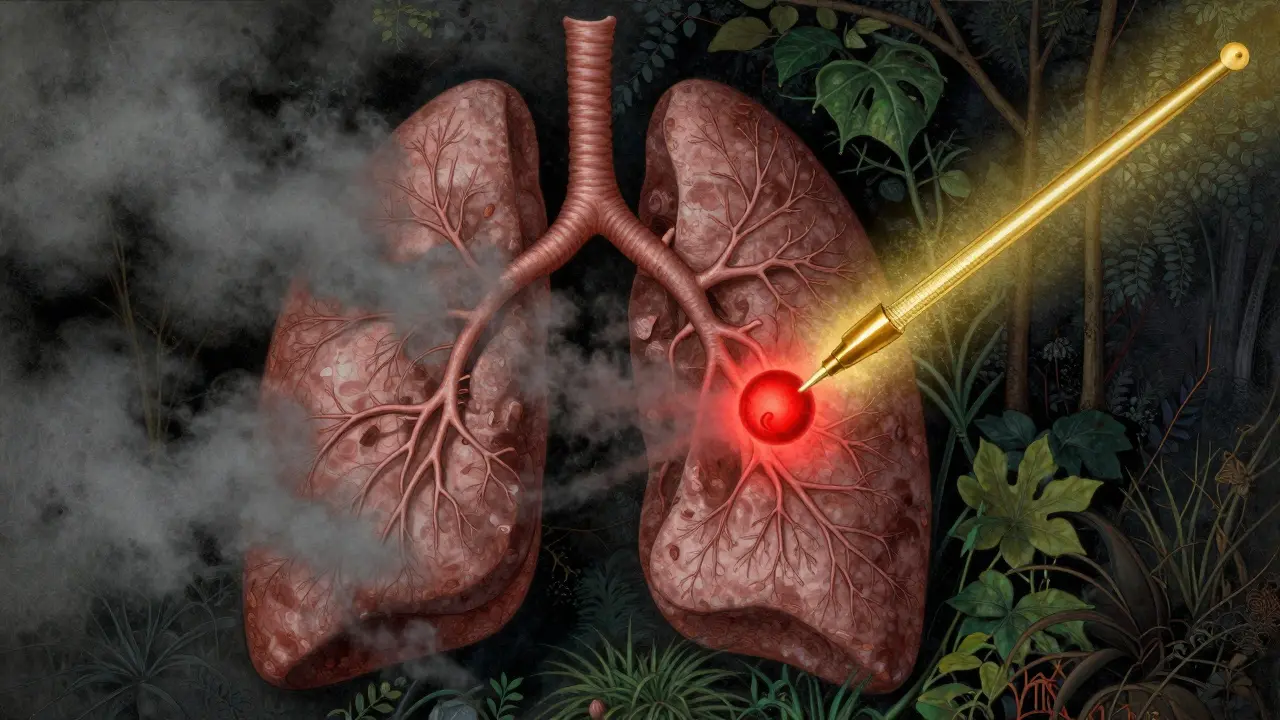
Biologics: The Heavy Hitters in OCS Reduction
Biologics are engineered proteins that act like precision missiles, hitting only the parts of the immune system that are overreacting. Unlike OCS, which blanket-suppress the entire body, biologics are targeted.
There are currently six licensed biologics for asthma. Some of the most prominent include Omalizumab, Mepolizumab, and Dupilumab. In a study of 106 adults with uncontrolled asthma, Mepolizumab dropped the number of steroid-dependent patients from nearly 80% down to about 31%. More importantly, it reduced the number of times patients ended up in the hospital from 0.4 to 0.06 per year. That is a massive improvement in quality of life.
| Feature | Oral Corticosteroids (OCS) | Biologic Therapies |
|---|---|---|
| Target | Systemic (Whole Body) | Specific Cytokines (Targeted) |
| Primary Risk | Diabetes, Bone Loss, Weight Gain | Injection Site Reaction, Rare Allergies |
| Up-front Cost | Low | High |
| Long-term Cost | High (due to "Shadow Costs") | Lower (reduced hospitalizations) |
| Admin Method | Oral (Pills) | Injection / Infusion |
Other Alternatives and Their Limitations
While biologics are the gold standard for OCS reduction, other options exist. Bronchial Thermoplasty is a procedure that uses radiofrequency energy to heat and reduce the amount of smooth muscle in the airways, making them less likely to constrict. It can improve quality of life and reduce attacks, but it's an invasive procedure done via bronchoscopy. It's usually reserved for people who don't respond to any medication and can actually make symptoms worse for a few weeks after the treatment.
You'll also see a lot of talk about supplements. For example, some people try high-dose vitamin D to prevent asthma attacks. While vitamin D is important for general health, clinical reviews show it doesn't actually prevent exacerbations or stop treatment failure in adults with symptomatic asthma. Relying on nutrition alone to replace steroids is generally not supported by the evidence.

The Challenge of Tapering: How to Get Off Steroids
You can't just stop taking OCS overnight. If you've been on them for six months or more, your body becomes dependent. Your adrenal glands essentially "go to sleep" because the pills are doing all the work. Stopping abruptly can lead to a life-threatening adrenal crisis.
The biggest gap in care right now isn't the drugs themselves, but the process of quitting them. Experts are calling for clearer, collaborative tapering guidelines. A safe exit strategy usually involves:
- Starting a biologic to stabilize the lungs first.
- Reducing the OCS dose by small increments (e.g., 1-2 mg every few weeks).
- Monitoring for "rebound" symptoms closely.
- Using a patient-provider log to track both lung function and mood changes.
Navigating the Financial Barrier
The elephant in the room is the cost. Biologics are expensive. However, we need to look at "shadow costs." These are the hidden expenses of OCS: the cost of treating a new case of steroid-induced diabetes, the cost of treating a hip fracture from osteoporosis, and the loss of income from repeated hospitalizations. When you add those up, biologics often end up being the cheaper option for the healthcare system over a 5-to-10-year window.
There is some progress in accessibility. Some manufacturers have capped out-of-pocket costs for certain inhalers, but the high cost of biologics remains a hurdle, especially for those on public insurance. The goal is to move these drugs from "luxury" treatments to standard care for anyone suffering from the burden of chronic OCS use.
What exactly is OCS dependence?
OCS dependence is generally defined in clinical trials as the use of oral corticosteroids for at least six consecutive months. At this stage, the body's natural cortisol production is often suppressed, making it dangerous to stop the medication without a medical tapering plan.
Can biologics completely replace my steroid pills?
For many patients, yes. Biologics like Mepolizumab or Dupilumab target the underlying inflammation, allowing many users to either eliminate OCS entirely or significantly reduce their daily dose. However, this depends on whether your asthma is driven by "type 2" inflammation.
Are short courses of steroids still dangerous?
While short-term use (3-7 days) is the standard for acute attacks, evidence suggests that even brief exposure can trigger side effects like mood swings, anxiety, or blood sugar spikes in sensitive individuals. The goal is to reduce the frequency of these "short" courses over time.
How do I know if I have type 2 inflammation?
Doctors usually identify type 2 inflammation by testing for biomarkers. This includes checking your blood eosinophil count or measuring fractional exhaled nitric oxide (FeNO) through a simple breathing test.
Is bronchial thermoplasty a good alternative to biologics?
It is an option, but it's generally considered a second-line alternative. Because it is an invasive procedure and can cause temporary morbidity in the weeks following treatment, biologics are usually tried first as they are non-surgical and highly targeted.
Next Steps for Patients and Caregivers
If you or a loved one is currently relying on daily OCS, the first step is to ask your pulmonologist about biomarker testing. Determine if you have type 2 inflammation. If you do, discuss the specific biologic that matches your profile. Don't attempt to lower your dose on your own; instead, request a formal "tapering schedule" that aligns with the introduction of a new therapy to ensure your breathing remains stable while your body recovers its natural hormone production.