Blood Thinner Medications: What They Are, How They Work, and What to Watch For
When your blood clots too easily, it can block arteries or veins and trigger a stroke, heart attack, or pulmonary embolism. That’s where blood thinner medications, drugs that reduce the blood’s ability to form dangerous clots. Also known as anticoagulants or antiplatelet drugs, they don’t actually thin your blood—they slow down the clotting process. These aren’t optional extras. For people with atrial fibrillation, deep vein thrombosis, or artificial heart valves, skipping a dose can be life-threatening.
There are two main types. Anticoagulants, like warfarin and rivaroxaban, target proteins in the clotting cascade. They take longer to kick in but last longer, too. Then there are antiplatelet drugs, such as aspirin and clopidogrel, which stop platelets from sticking together. These are often used after stents or heart attacks. You won’t feel them working. No tingling, no warmth—just the quiet protection of reduced clot risk. But that silence can be dangerous if you bleed internally. A cut that won’t stop, dark stools, sudden headaches—these aren’t normal. They’re warning signs.
What you take depends on your condition, age, kidney function, and even what else you’re on. Some blood thinners need regular blood tests. Others don’t. Some interact with leafy greens. Others don’t care what you eat. And yes, generics work just as well as brand names—same active ingredient, same effect, lower price. But mixing them with NSAIDs, herbal supplements like ginkgo or garlic, or even certain antibiotics can turn a safe dose into a medical emergency.
You’ll find posts here that dig into real risks—like how loperamide misuse can mess with heart rhythms, or why goldenseal might interfere with diabetes meds. You’ll see how medication errors happen at home, how generics look different but act the same, and why pharmacist substitution rules vary by state. These aren’t theoretical. They’re the quiet dangers people don’t talk about until something goes wrong. Whether you’re on aspirin for heart protection or rivaroxaban after surgery, knowing what you’re taking—and what it might clash with—could save your life.
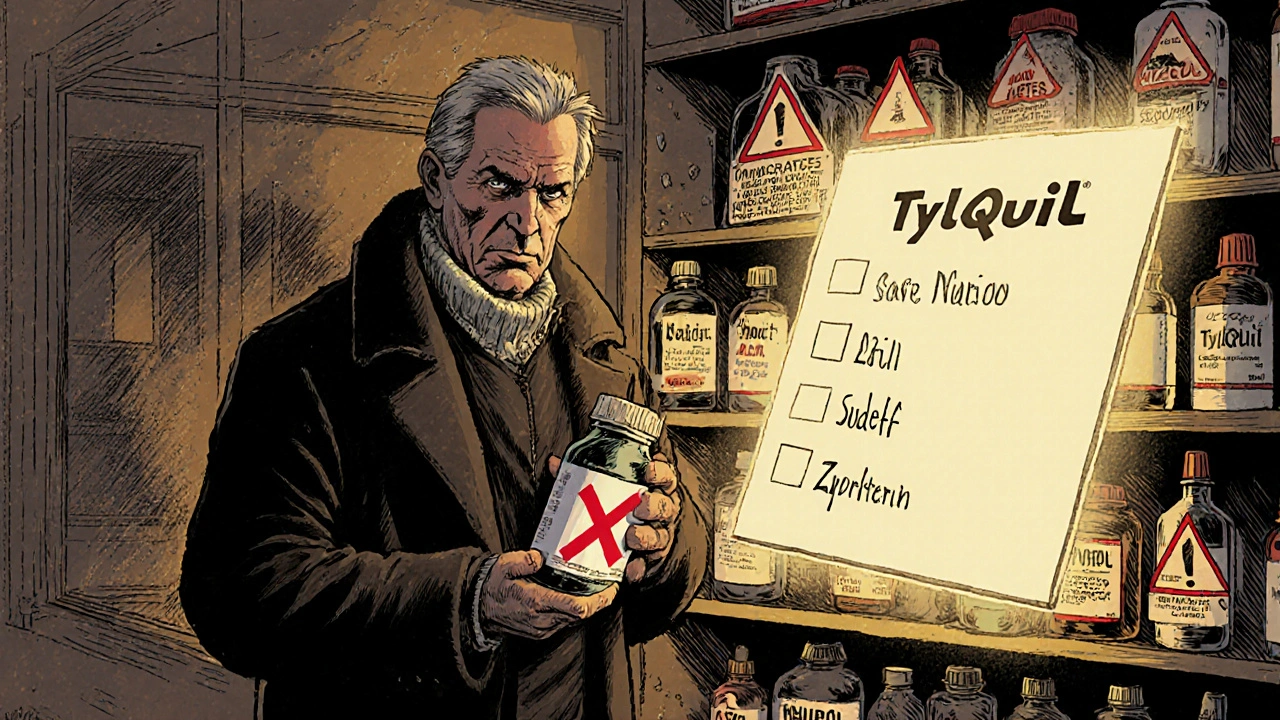
Warfarin users face serious bleeding risks from common cold medicines. Learn which OTC products are safe, which to avoid, and how to protect yourself during cold season with clear, evidence-based guidance.